Category: Uncategorized

  • 6. European Headphones

    The sound of Europe

    Choosing Europe has a clear mission: to promote European culture and industry while strengthening our sense of belonging. We want to highlight the art, ideas and products created within our shared space.

    However, fulfilling this mission creates a difficult dilemma. If we only use European platforms and tools, we reach a small audience that already shares our values. To be truly influential, we must go where the public is, even if that means using devices and networks from other geographies.

    The practical question is simple: is it better to reach ten people in a perfectly aligned space or one hundred people where the conversation is already happening?

    Choosing Europe exists to be part of that wider dialogue. You can help us navigate this challenge in two ways.

    1. Reply to this post with your thoughts on this dilemma. You can write in English or in your own language as we read every message.
    2. Forward this newsletter to one person who might find value in our content. Sharing this work with just one friend is a powerful way to help our community grow.
    In this issue

    💡 Focus: European headphones and the acoustic industry.

    📖 Book: Amatissime by Giulia Caminito · Italy 🇮🇹 (2022): Giulia Caminito explores how the literary legacy of great women writers shapes our modern identity.

    🎬 Film: Crossing (Crossing) · Sweden 🇸🇪 (2024): Levan Akin explores the search for a lost relative through the streets of Istanbul.

    📺 Series: Moresnet (Moresnet) · Belgium 🇧🇪 (2024): Frank Van Passel explores how a mysterious prophecy affects a group of friends in a border town.

    🎵 Music: Mesdames, Messieurs by Sam Sauvage · France 🇫🇷 (2026): Sam Sauvage explores the revival of French chanson through a modern electronic lens.

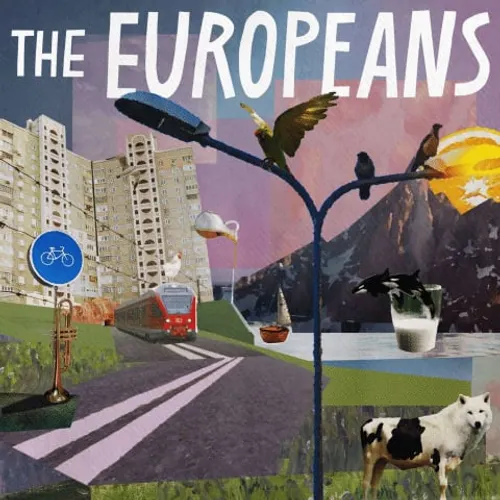
    🎙️ Podcast: How feminist economics could change Europe · The Europeans · 🇪🇺 English: A discussion on how European leaders could redefine value by prioritising wellbeing over capital.


    A small side note

    If you are still using Google Translate, you may want to try DeepL

    It was launched in Cologne in 2017, and its neural translation technology is developed and maintained in Germany. 🇩🇪


    The sound of Europe 🎧

    For decades, consumer electronics followed a familiar pattern: design in the West, manufacture in Asia. Headphones are no exception. Today, most of them are assembled in Asian factories, even when the brand itself is European.

    That reality does not automatically mean poor quality. But it does change something important. When engineering, prototyping, and assembly happen in the same place, the feedback loop between designers and manufacturers is immediate. A problem found on the production line can be solved by the engineers down the corridor. Details that would be lost in translation over thousands of miles are caught in conversation over lunch.

    A small group of European companies still works this way. They design their headphones, build their own acoustic drivers, and assemble the finished product within Europe. That choice is deliberate, and almost always more expensive. Below are the brands that still keep a meaningful part of that process on the continent.


    Choosing Europe is a newsletter about conscious purchasing decisions in favour of the European industrial ecosystem. We have no commercial relationships with any brand mentioned in this publication.


    Our European Choice

    beyerdynamic · Germany 🇩🇪

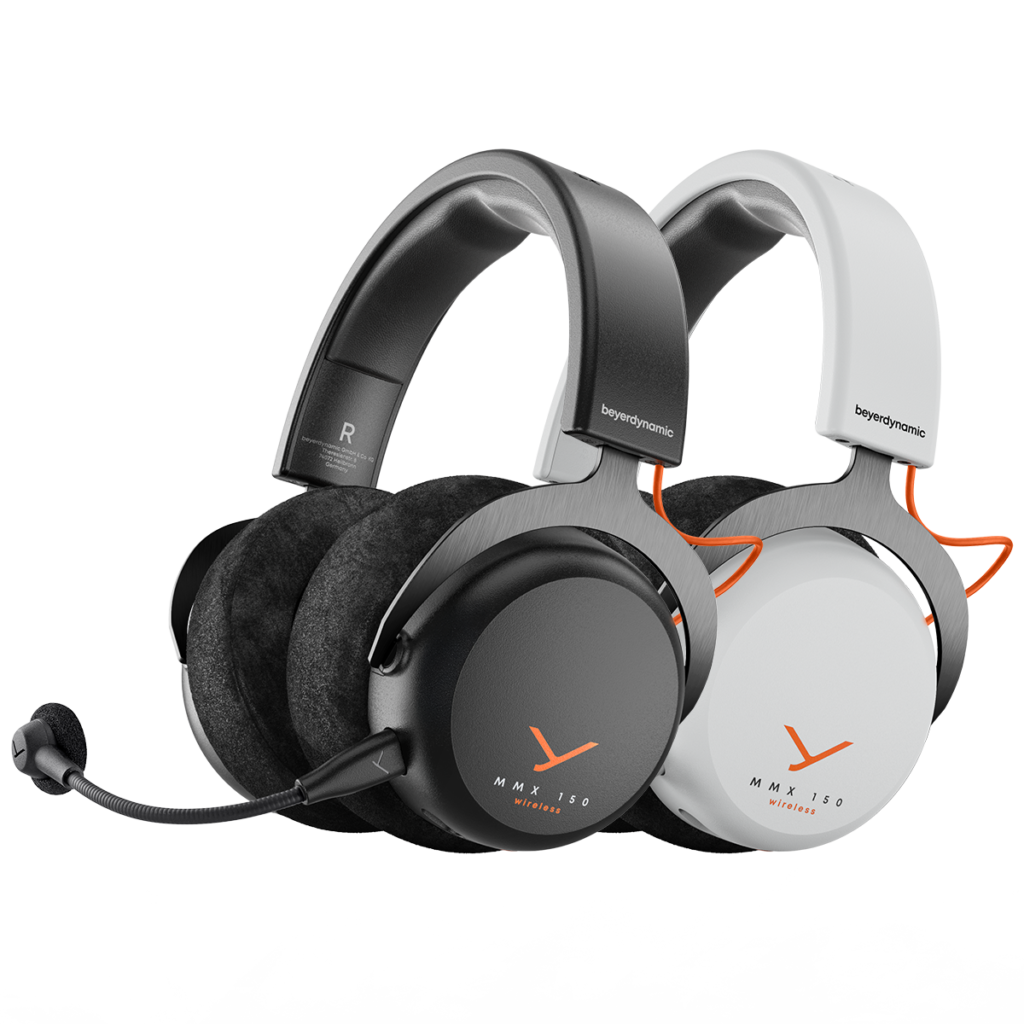
    Founded in Berlin in 1924 and now based in Heilbronn, beyerdynamic remains one of the classic names in professional audio. Several of its studio headphones, including the well-known DT 770 PRO series, are manufactured by hand in Germany and designed with replaceable parts to extend their lifespan.
    Focal · France 🇫🇷

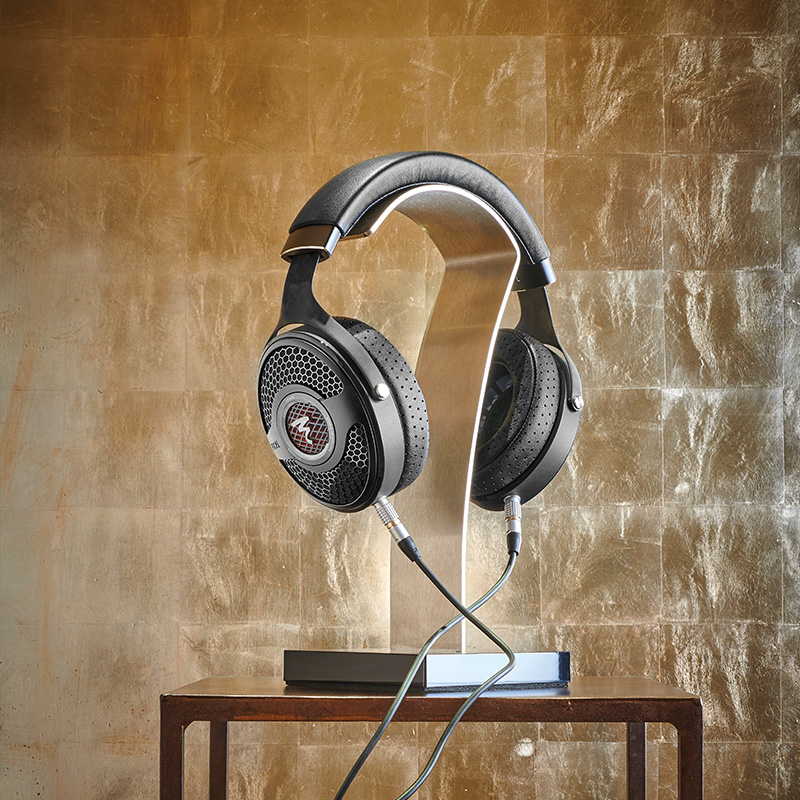
    Focal, based in Saint-Étienne, is one of the rare audio companies that designs and manufactures its own drivers as well as the finished headphones. Its high-end models, such as Utopia or Clear, are produced in France and aimed at the global audiophile market. It is not a product that everyone can afford.

    Sennheiser · Germany 🇩🇪

    Sennheiser’s audiophile headphone production is centred in Tullamore, Ireland. The facility manufactures key transducers and assembles several of the company’s high-end headphones under the same roof, including models from the HD 600 and HD 800 lines.

    Meze Audio · Romania 🇷🇴

    Founded in 2011 by industrial designer Antonio Meze in Baia Mare, in the Maramureș region of northwest Romania, Meze Audio has become a respected name in the audiophile sector. Final assembly of all headphones takes place by hand in Baia Mare. Every part on the chassis is designed to be disassembled and serviced, and Meze openly describes its goal of making headphones that can be passed on to the next generation rather than discarded.

    OLLO Audio · Slovenia 🇸🇮

    OLLO Audio is a small Slovenian manufacturer specialising in reference headphones for audio engineers. Production is deliberately small-scale and focused on professional monitoring equipment assembled in Europe. Spare parts for every model OLLO has ever made remain available, and the company backs its headphones with a five-year warranty. It has no wireless products and no noise-cancelling range — a deliberate focus on the professional monitoring market, and on making products built to last.

    Bang & Olufsen · Denmark 🇩🇰

    The company’s design and engineering centre remains in Struer, Denmark, although large-scale production of many products takes place in Central Europe or Asia depending on the product line.

    Bowers & Wilkins · United Kingdom 🇬🇧

    The brand’s loudspeaker heritage remains strongly British, with certain flagship speakers still manufactured in England. Most headphone production, however, relies on international manufacturing networks.

    AIAIAI · Denmark 🇩🇰

    AIAIAI is a Danish company known for the TMA-2, a modular headphone system that lets users swap individual components — drivers, ear pads, headbands, cables — instead of replacing the entire product. Design and development happen in Denmark. Components are not manufactured there, but AIAIAI is transparent about sourcing responsibly and reached a notable milestone in 2024 by using 100% post-consumer recycled plastics in its speaker units.

    Fairphone · Netherlands 🇳🇱

    Fairphone extended its repairability philosophy to audio with the Fairbuds XL. The headphones are modular and designed so users can replace the battery and ear pads themselves. Production is global, but the design approach reflects the company’s broader sustainability model.


    Repairability is becoming the norm

    European manufacturers have traditionally placed strong emphasis on durability. Part of that comes from industrial culture; part of it now comes from regulation.

    The European Union has adopted new “right to repair” rules aimed at extending the lifespan of consumer products. The legislation requires manufacturers of certain goods to provide spare parts and offer repairs at reasonable conditions even after the warranty period has ended.

    Headphones are not yet among the product categories covered. The first phase of the regulation focuses mainly on household appliances and consumer electronics such as smartphones.

    Even so, several European audio companies have long designed their headphones with repairability in mind. They have built products with replaceable components and long-term servicing as part of their design philosophy, not as a legal requirement. In that sense, the regulation is simply moving in the same direction these manufacturers have followed for years.

    Choosing European audio equipment is therefore also a decision about longevity: a product designed to last, supported by companies that expect it to remain in use for many years.


    The cultural recommendations for this issue follow below.


    🎬 Films

    Crossing · Sweden 🇸🇪 (2024)

    Levan Akin (🇬🇪 Georgia) follows a retired teacher from Georgia who travels to Istanbul in search of her missing niece. What begins as a family search gradually becomes a quiet portrait of the city and of the people who inhabit its margins.

    Akin builds the film through small encounters and shifting relationships, letting Istanbul’s streets connect characters from different generations and backgrounds. The result is a humane and attentive story about identity, belonging and the fragile ways strangers come to help one another.

    If you want more

    • Grand Tour · Portugal 🇵🇹 (2024): Miguel Gomes follows a British officer across Asia in a visual journey about love and escape.
    • Islands · Germany 🇩🇪 (2025): Jan Speckenbach examines the complex emotional landscape of a woman searching for her missing husband.
    • Quisling: The Final Days (Quislings siste dager) · Norway 🇳🇴 (2024): Erik Poppe details the psychological trial of the most famous collaborator in Norwegian history.

    📺 Series

    Moresnet · Belgium 🇧🇪 (2024)

    When Ben returns to his childhood village after his father’s death, he and his old friends dig up a time capsule they buried twenty years earlier. Inside, they find his brother’s diary. On the last page: a list of names, with the dates each of them will die. All within ten days.

    The series, directed by Frank Van Passel and shot in the borderlands where Belgium, Germany and the Netherlands meet, is less interested in the supernatural mechanics of a death list than in what such knowledge does to people. The horror here is not the prophecy itself but the fractures it reopens: old guilt, buried secrets, the residue of a violence no one ever properly addressed.

    If you want more

    • Berlín · Spain 🇪🇸 (2023): A Money Heist prequel following the charming, amoral Berlin across a jewel heist in Paris.
    • Die Kaiserin (The Empress) · Germany 🇩🇪 (2022): A deliberately anachronistic reimagining of Empress Elisabeth of Austria-Hungary, deliberately anachronistic and unafraid of emotion.
    • The Man Who Played with Fire · Sweden 🇸🇪 (2024): A documentary series that follows former diplomat Jan Stocklassa as he continues the investigation Stieg Larsson left unfinished into the unsolved 1986 assassination of Swedish Prime Minister Olof Palme.

    📖 Books

    Amatissime · Giulia Caminito · Italy 🇮🇹 (2022)

    Giulia Caminito’s Amatissime, published by Giulio Perrone Editore, is a hybrid work of literary essay and memoir centered on five Italian women writers: Elsa Morante, Natalia Ginzburg, Paola Masino, Laudomia Bonanni, and Livia De Stefani. The book reconstructs aspects of their lives and writing while intertwining them with Caminito’s own reading life, memories, and literary formation. Several reviews also note the presence of Rome as an important cultural and personal setting in the book.

    If you want more

    • Idyllen · Ilja Leonard Pfeijffer · Netherlands 🇳🇱 (2025): A poetic collection exploring the search for beauty in a rapidly changing world.
    • Hey Hafni · Helle Helle · Denmark 🇩🇰 (2025): Helle Helle examines the quiet complexity of a road trip through the Danish landscape.
    • Das Licht in den Birkenwäldern · Romy Fölck · Germany 🇩🇪 (2024): Romy Fölck details a moving family story set against the atmospheric backdrop of northern Germany.

    🎵 Music

    Mesdames, Messieurs · Sam Sauvage · France 🇫🇷 (2026)

    Sam Sauvage explores the revival of French chanson through a modern electronic lens. This artist is currently beloved in French indie forums for his authentic persona and has avoided the controversies typical of the Parisian scene.

    If you want more

    • Samen Tegen Elkaar · Goldband · Netherlands 🇳🇱 (2024): Goldband combines pop with social commentary and remains a massive success in the Benelux region despite minor scandals regarding their wild stage presence.
    • LUX · Rosalía · Spain 🇪🇸 (2025): Rosalía continues her global dominance by blending avant-garde electronics with traditional roots. She is currently one of the most critically acclaimed and successful European artists worldwide.
    • Afro Fado · Slow J · Portugal 🇵🇹 (2023): Slow J creates a powerful cultural bridge between African rhythms and Portuguese fado. He is a respected figure in Lisbon for his artistic integrity and independence.

    🎙️ Podcast

    • How feminist economics could change Europe · The Europeans · 🇪🇺 English (2026): A discussion on how European leaders could redefine value by prioritising wellbeing and community over capital. The episode analyzes the transition from generating wealth to supporting the lives of citizens.
    • Autophagie: je me mange donc je vis · La Science, CQFD · 🇫🇷 French (2026): Experts explain the cellular mechanism of autophagy and its vital role in human immunity and the prevention of neurodegenerative diseases.
    • ¿Es posible vivir sin plásticos? · Podium Podcast · 🇪🇸 Spanish (2025): This report examines the presence of plastic in daily life and evaluates if it is realistic for European companies and citizens to eliminate its use.
    • Die Energiewende taugt nicht zum Kulturkampf · F.A.Z. Wissen · 🇩🇪 German (2025): An interview with energy expert Jan Rosenow about the global trends in decarbonisation and the specific hurdles facing the German energy transition.

    ✨ Final notes

    We have decided that Choosing Europe will be completely free and open to everyone. We want these stories and ideas to reach as many people as possible without any barriers. If you enjoy this newsletter the best way to support it is by sharing it with friends or colleagues who might find it useful.

    You can also find us on Mastodon 🐘 or join our community on Telegram ✈️.

    You can also simply reply to this post. We read every message and appreciate your feedback as we build this project together. You can write in English or in your own language as we read every message.

    Thank you for Choosing Europe.
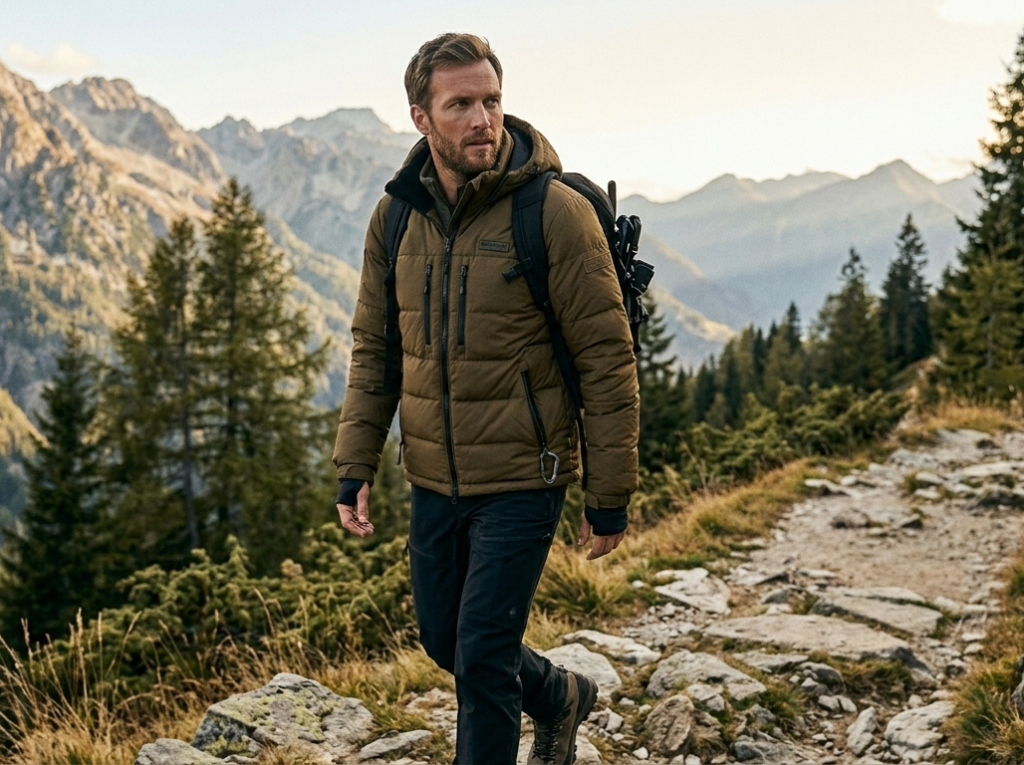
  • 5. European Outdoor Clothing

    Technical clothing beyond the global brands

    There is a well-known observation about pregnancy. Once you or someone close to you is expecting, you suddenly notice pregnant women everywhere. Not because there are more of them. Because you are paying attention.

    The same happens when you buy a new car. From that moment, you see the exact model on every street corner. The city has not changed. Your awareness has.

    Something similar seems to be happening across Europe right now. Signals are appearing everywhere. Conversations about digital sovereignty, industrial autonomy, military self-reliance, and commercial independence are no longer confined to policy documents. They are showing up in daily decisions, in consumer choices, in the language people use when they talk about where things come from and who controls them.

    It is not that these things are new. It is that we are paying attention. And when you start paying attention, the signals come through more clearly and more often.

    This newsletter is part of that shift. Each edition is a small step towards making more aware purchasing decisions.

    This week, we turn to the market for outdoor clothing, which is dominated by American brands, but which is also supported by a European industrial tradition that deserves to be recognised.

    Thanks for reading Choosing Europe! Subscribe for free to receive new posts and support my work.


    In this issue

    💡 Focus Beyond the logo. Selecting European outdoor clothing built for real conditions, honest engineering, and the long term.

    📖 Book The Deserters (Déserter) · Mathias Énard · France 🇫🇷 (2023) A novel about war, memory, and the weight of the last century. Longlisted for the International Booker Prize 2026.

    🎬 Film Society of the Snow · Spain 🇪🇸 (2023) A survival film that stays on the mountain and inside the cold. Goya Award for Best Film.

    📺 Series Families Like Ours (Familier som vores) · Denmark 🇩🇰 (2024) Thomas Vinterberg’s television debut. What happens when a wealthy European country becomes the refugee crisis.

    🎵 Music Ich Lieb Mich Ich Lieb Mich Nicht · Nina Chuba · Germany 🇩🇪 (2025) The most streamed German-language artist of her generation. Number one in Germany and Austria.

    🎙️ Podcast Café Europa · Portugal 🇵🇹 A weekly Portuguese podcast on European affairs, diplomacy, and the future of the continent.


    A small side note

    If you are still using Microsoft Office, you might want to consider LibreOffice.

    LibreOffice is free, open source, and developed by a European foundation based in Berlin. It reads and writes all the same file formats, and the manufacturing process is entirely transparent. 🇪🇺


    Choosing European Outdoor Clothing 🏔️

    The outdoor clothing market in Europe reached 18 billion dollars in 2023. Most of that spending flows towards a small group of American brands.

    The North Face, Patagonia, Columbia, and Arc’teryx dominate shelf space, social media, and the visual identity of outdoor retail across the continent.

    These brands built their reputations on genuine technical innovation.Many of their high-end lines still reflect that heritage. But the bulk of their revenue now comes from products positioned somewhere between performance and lifestyle, designed for visibility as much as function, and manufactured in Asia at volumes that make close quality oversight difficult.

    European alternatives exist at every level of the market. Some are well known. Others operate quietly in niches where the primary audience is professional guides, competitive athletes, and experienced mountain users who prioritise function over brand recognition.

    What follows is a clear account of both groups, separated by where the product is actually made.

    Producing technical outdoor apparel in Europe is significantly more expensive than producing it in Asia. Most brands have moved the majority of their manufacturing offshore over the past three decades.

    What it does mean is that the distinction between a brand that is European in ownership and design and a brand that also manufactures in Europe is a meaningful one. Both can produce excellent technical clothing.


    Choosing Europe is a newsletter about conscious purchasing decisions in favour of the European industrial ecosystem. We have no commercial relationships with any brand mentioned in this publication.


    Our European Choice

    Tilak · Czech Republic 🇨🇿

    Founded in 1986 in Šumperk, in the foothills of the Jeseníky mountains, by a climber who could not find technical clothing he trusted. Everything Tilak produces is still made in the Czech Republic. They are the only Czech manufacturer licensed by W.L. Gore to use Gore-Tex across their range, and they back every product with a four-year guarantee. Their Poutnik collection, developed in collaboration with Errolson Hugh, the designer behind ACRONYM, has earned them a serious following in Japan and North America. The Czech textile industry carries generations of accumulated craft knowledge. Tilak is one of the clearest examples of that knowledge applied to contemporary technical performance.

    Löffler · Austria 🇦🇹

    Based in Ried im Innkreis in Upper Austria, Löffler has produced performance apparel continuously since 1968. Their focus is the technical end of cycling, cross-country skiing, triathlon, and mountain sports. Their Transtex fabric system manages moisture through a layered construction refined over decades in a single workshop. Production in Austria means compliance with some of the strictest labour and environmental standards in the European Union. The brand is not widely distributed in mainstream outdoor retail, which is partly a consequence of the cost structure that comes with European manufacturing and partly a reflection of their priorities.

    Ferrino · Italy 🇮🇹

    Founded in Turin in 1870, Ferrino is one of the oldest outdoor brands in continuous operation anywhere in the world. The company is still owned by the fifth generation of the founding family. Their high-performance tents and sleeping bags have been used on major Himalayan expeditions, and the brand supplies the United Nations, the Red Cross, and Italian Civil Protection. Part of their high-end range is produced in their original Turin factory. Their CEO, Anna Ferrino, received the Compasso d’Oro lifetime achievement award in June 2024, Italy’s highest recognition for design excellence. A 155-year-old family company manufacturing in the city where it was founded is a genuinely rare industrial fact.


    European owned, manufactured globally

    The brands in this section are European in ownership, governance, and design culture. Their technical standards are genuine. Their manufacturing is primarily in Asia. For buyers who prioritise supporting European capital and design expertise, these are strong choices. For buyers whose primary concern is where the product is stitched, the distinction from the previous group is real.

    Norrøna · Norway 🇳🇴

    A family business since 1929, still owned and run by the fourth generation of the Jørgensen family from Oslo. Norrøna was the company that introduced Gore-Tex to the European market. Their collections are named after specific Norwegian locations where each line was developed and tested under real conditions. Lofoten for Arctic freeride skiing. Trollveggen for climbing. Falketind for alpine mountaineering. The company is famous for its heavy investment in research. About 90 percent of their products are developed in-house at their headquarters in Norway. While the capital, design and decision making are 100 percent Norwegian, their manufacturing takes place primarily in Asia to meet global demand.

    Mammut · Switzerland 🇨🇭

    Founded in 1862 as a rope manufacturer in the Swiss canton of Aargau, Mammut is among the oldest technical mountain equipment companies still operating. Their Eiger Extreme collection is developed with elite alpinists who climb the north face of the Eiger in winter conditions. The brand was acquired in 2021 by Telemos Capital, a European family office with declared roots in Zurich. Manufacturing is global, with around 67 percent of revenues coming from Europe. Mammut has been a member of the Fair Wear Foundation since 2008 to ensure good working conditions. They have also worked hard to remove harmful PFAS chemicals from all their products by 2025.

    Salewa · Italy 🇮🇹

    Founded in Munich in 1935 and relocated to Bolzano in 1990, Salewa operates from the South Tyrol under the Oberalp Group, a family company owned entirely by the Oberrauch family. Oberalp also owns Dynafit, the global reference for ski touring equipment, and Wild Country for climbing hardware. Design and product development happen in Bolzano. The TirolWool initiative sources wool from native Brillenschaf sheep bred a few kilometres from the company’s offices. Manufacturing is in Asia with Fair Wear Foundation certification.

    Helly Hansen · Norway 🇳🇴

    Founded in 1877 in Moss by a Norwegian sea captain, Helly Hansen spent its first century as a genuinely Norwegian company. That changed in 1997 when the investment group Investcorp acquired it. By 2012 the Ontario Teachers’ Pension Plan had taken majority control, shifting the capital base to Canada. In 2018, Canadian Tire Corporation completed the current ownership picture, purchasing the brand for 985 million Canadian dollars.

    The reason it still appears in this section is straightforward. Design, product development, and headquarters remain in Oslo. Their Lifa base layer technology and Helly Tech membrane are genuine engineering contributions developed over decades of professional use in Nordic marine and mountain conditions. The brand still thinks in Norwegian terms even if the financial returns flow to Toronto.

    Rab · United Kingdom 🇬🇧

    Founded in Sheffield in 1981 by climber Rab Carrington, who needed down insulation capable of surviving the routes he was attempting. Still independently owned by Equip Outdoor Technologies, with annual revenues around 120 million pounds. Rab maintains one production facility in the United Kingdom alongside their Asian supply chain, which is unusual at this scale. Their down sleeping bags and insulated shells are standard equipment among professional guides and high-altitude mountaineers. Two products from a single Rab collection were selected by the ISPO jury in 2024.

    Haglöfs · Sweden 🇸🇪

    Over a century of Swedish outdoor heritage, founded in 1914 in the forests of Dalarna. Design and development remain in Stockholm, where the brand has signed a move to the Slakthusområdet district for autumn 2026, a former industrial quarter being repurposed into a creative and design hub. In December 2023, ASICS sold the brand entirely to LionRock Capital, a Hong Kong firm with close ties to the Chinese sportswear group Li-Ning. The capital is now Asian. The design culture is still Swedish, and the L.I.M Intense Trail Hybrid Jacket won the Apparel Award at the Scandinavian Outdoor Awards in 2024.


    Making the choice

    The brands described here are not asking you to compromise on performance. They are asking you to direct the same budget towards companies that still carry their technical knowledge inside a European industrial framework, whether that is a workshop in the Czech Republic, a family factory in Turin, or a design office in Oslo that has been solving the same alpine problems for nearly a century.

    Industrial capacity of this kind is slow to build and quick to lose. Buying from the brands that maintain it is the most direct way to keep it alive.


    The cultural recommendations for this issue follow below.


    🎬 Films

    Society of the Snow (La sociedad de la nieve) · Spain 🇪🇸 (2023)

    In October 1972 a chartered flight carrying a Uruguayan rugby team crashed in the Andes. What followed was seventy two days on a glacier at 3600 metres with no rescue coming.

    Director J.A. Bayona tells the story without Hollywood spectacle. He stays close to the cold, the waiting and the difficult decisions the survivors had to make to stay alive. It is one of the most physically honest survival films made in recent years. The film was selected as the Spanish entry for the Academy Awards and won the Goya for Best Film.

    If you want more

    • The Big Fake (Il falsario) · Italy 🇮🇹 (2025): A young painter arrives in Rome during the 1970s with nothing but his talent. He ends up becoming the most in demand forger in the city, working simultaneously for art galleries, the mafia and the secret services. The story is based on real events and is set against the political violence of the Years of Lead in Italy.
    • Transamazonia (Transamazonia) · France and Germany 🇫🇷🇩🇪 (2024): This drama is set at the crossing point of personal faith and environmental destruction in the Amazon rainforest. The story refuses to make either side comfortable. It follows the tension between local religious conviction and global ecological consequences with unusual restraint.
    • The Peasants (Chłopi) · Poland 🇵🇱 (2023): This beautiful film is animated entirely in oil paint on canvas. It is based on the Nobel Prize winning novel by Władysław Reymont. The story explores a rural community where tradition, gossip and collective judgment govern every individual life. The visual technique is not just decorative. It is the exact right language to tell this powerful story.

    📺 Series

    Families Like Ours (Familier som vores) · Denmark 🇩🇰 (2024)

    Thomas Vinterberg, the director of Another Round and The Hunt, makes his television debut with a seven-part series about the complete evacuation of Denmark due to rising sea levels.

    The premise is quietly radical: what happens to a wealthy, stable European country when it becomes the refugee crisis instead of watching one from a distance.

    Vinterberg stays focused on the human cost, on families separated by circumstance and economic means, on the distance between those who can afford to choose where they land and those who cannot.

    If you want more

    • The Signal (Das Signal) · Germany 🇩🇪 (2024): A German astronaut returns from the International Space Station and disappears in a plane crash. Her husband and daughter are left with a mystery that leads somewhere larger and more dangerous than a missing person case. Four tight episodes.
    • The Good Mothers (The Good Mothers) · Italy 🇮🇹 (2023): Three women born into the ‘Ndrangheta, the Calabrian mafia, work with a female prosecutor to bring the organisation down from the inside. Based on true events and Alex Perry’s book of the same name. Won the Berlinale Series Award at the Berlin Film Festival in 2023. A powerful story told over six episodes.
    • Iron Reign (Mano de hierro) · Spain 🇪🇸 (2024): Joaquín Manchado runs his drug operation from the port of Barcelona with absolute control, until a missing shipment destabilises everything he has built. Eight episodes of dense, well-acted Spanish crime drama.

    📖 Books

    The Deserters (Déserter) · Mathias Énard · France 🇫🇷 · 2023

    Two parallel stories share the same thematic ground: war, its martyrs, and its devastations. In a Mediterranean wilderness, an exhausted soldier makes his way back to solitude after deserting from an unspecified conflict. A young woman arrives one night with her donkey, and their brief encounter becomes part of his journey home. Alongside this, on September 11, 2001, aboard a small cruise ship, a scientific conference pays tribute to Paul Heudeber, a celebrated East Berlin mathematician, committed communist, and survivor of Buchenwald.

    From the winner of the Prix Goncourt, a novel that explores the role of science and memory in the horrors of the last century. Longlisted for the International Booker Prize 2026, announced 24 February 2026.

    Original language: French. Available in English as The Deserters, in Spanish as Desertar, in Catalan as El desertor, and in Italian as Disertore.

    If you want something else:

    Vaim · Jon Fosse · Norway 🇳🇴 · 2025 — The first new novel from Fosse since he was awarded the 2023 Nobel Prize in Literature. A short, dense work set in a remote Norwegian fishing village, the first volume of a planned trilogy, told across three parts by three different narrators. One encounter reverberates across three stories and three deaths.

    Orbital · Samantha Harvey · United Kingdom 🇬🇧 · 2024 — Six astronauts and cosmonauts circle the Earth sixteen times in a single day aboard the International Space Station. Winner of the Booker Prize 2024, a novel without conventional plot, driven entirely by language and the view from above.

    The Safekeep · Yael van der Wouden · Netherlands 🇳🇱 · 2024 — Set in 1961 rural Netherlands, the story of Isabel, a recluse whose ordered life is disrupted when her brother’s girlfriend stays for the summer. Winner of the 2025 Women’s Prize for Fiction and a landmark for contemporary Dutch literature as the first Dutch-authored novel shortlisted for the Booker Prize.


    🎵 Music

    Ich Lieb Mich · Nina Chuba · Germany 🇩🇪 · 2025

    Nina Chuba rose to prominence in 2022 with Wildberry Lillet, the most streamed song in Germany that year, which spent four weeks at number one and went platinum. Her debut album Glas followed in February 2023 and topped the charts in Germany and Austria.

    Her second album, Ich Lieb Mich Ich Lieb Mich Nicht, reached number one again in September 2025. It moves across pop, dancehall, rock and hip-hop while providing an honest account of being in your mid-twenties, balancing self-doubt with self-assertion across fourteen tracks. Sung in German.

    If you want something else:

    Garip · Altın Gün · Netherlands 🇳🇱 · 2026 — The sixth album from the Amsterdam-based quintet is a tribute to Neşet Ertaş, the legendary Turkish folk bard. This Grammy-nominated band reimagines ten of his compositions using psychedelic rock, Arabesque strings and the Stockholm Studio Orchestra. Sung in Turkish.

    Hecho en tiempos de paz · Viva Suecia · Spain 🇪🇸 · 2025 — The fifth album from the Murcia indie rock band confirms them as one of the most consistent live acts in Spain. Eleven songs that balance their signature emotional intensity with a new maturity, including a brass section that gives the record more space to breathe. Sung in Spanish.

    How Have You Been? · Giant Rooks · Germany 🇩🇪 · 2024 — Fourteen tracks of high-energy indie rock from a quintet from Hamm. The album debuted at number one in Germany. Stadium-sized melodies with enough personal detail to stay authentic.


    🎙️ Podcast

    Café Europa · Portugal 🇵🇹

    A weekly podcast from Observador dedicated to European affairs, presented by Henrique Burnay, Madalena Meyer Resende, Bruno Cardoso Reis, and João Diogo Barbosa. Each episode covers the news and themes that shaped the European week, from security and diplomacy to energy and democratic politics. One of the clearest Portuguese voices on what is actually happening inside the European project. In Portuguese.

    This week’s recommended episode: O divórcio das nações de Munique ao Irão? · 21 Feb 2026 — João Vale de Almeida, one of the EU’s most influential diplomats, joins Bruno Cardoso Reis to discuss the Munich Security Conference, Trump’s peace council, and the state of global conflict.

    More to listen to this week:

    • Inside the Munich Security Conference · 19 Feb 2026 · The Rest Is Politics 🇬🇧 — Rory Stewart and Alastair Campbell live from Munich on Rubio’s speech, European defence without American certainty, and whether Starmer is reading the moment. In English.
    • L’architecture européenne face au défi climatique · Feb 2026 · Signes des temps, France Culture 🇫🇷 — How urban spaces are being redesigned to handle extreme weather and growing social interdependence. In French.
    • KI in der Medizin: Chancen und ethische Fragen · 17 Feb 2026 · Forschung aktuell, Deutschlandfunk 🇩🇪 — How AI is beginning to transform clinical diagnostics and the legal challenges that follow. In German.
    • Språk og identitet blant unge i Norge · 13 Feb 2026 · Språkteigen, NRK 🇳🇴 — How the digital world is reshaping national language and the sense of belonging among young Norwegians. In Norwegian.

    ✨ Choosing, one step at a time

    Thank you for being here for the fifth issue. This week we looked at outdoor clothing, a market where European industrial knowledge is real, serious, and worth supporting. Next week we will keep looking.

    We are listening, we are thinking and we are choosing one step at a time.

    We have decided that Choosing Europe will be completely free and open to everyone. We want these stories and ideas to reach as many people as possible without any barriers. If you enjoy this newsletter the best way to support it is by sharing it with friends or colleagues who might find it useful.

    Thanks for reading Choosing Europe! This post is public so feel free to share it.

    Share

    You can also find us on Mastodon 🐘 or simply reply to this email. We read every message and appreciate your feedback as we build this project together.

    Thank you for reading Choosing Europe.

  • 4. European smartphones

    Are There Smartphones Made in Europe?

    Europe is rethinking its dependence on other parts of the world for important technology. Software has received most of the attention because it is easier to replace or adapt than hardware. But digital sovereignty is not complete if Europe does not also have control over the devices that run this software.

    There are three main points to consider:

    • Do European smartphones exist?
    • What is the current situation of mobile phone manufacturing in Europe?
    • And how close is Europe to having phones that are designed, produced, and managed within the continent?

    The answer is not simple. European smartphone brands do exist. However, most of them do not manufacture their phones in Europe. Only a few assemble devices in countries such as Germany, Switzerland, or Finland.

    Most brands depend on factories in Asia, even if the design, company structure, and strategic decisions remain European.

    But there are small signs that suggest a more promising future. Some initiatives, still limited in scale, show a change is possible. They are not yet strong enough to transform the whole industry, but they point in a different direction.


    In this issue

    💡 Focus European smartphone manufacturers. A realistic look at who builds phones under European ownership today, what that really means, and where the limits still are.

    🎬 Film Love Me Tender · France 🇫🇷 (2025) A custody dispute that becomes a portrait of a woman trying to keep her own life while institutions reduce her to a role.

    📺 Series Dead End · Belgium 🇧🇪 (2024) A sharp crime drama where a small town murder exposes social tensions that were already there.

    🎵 Music The Beauty of It All · Monolink · Germany 🇩🇪 (2025) Electronic music with a songwriter’s core, built on patience, balance, and emotional clarity.

    📖 Book God’s Madman at the End of the World (El loco de Dios en el fin del mundo) · Javier Cercas · Spain 🇪🇸 (2025) An atheist writer travels with Pope Francis to ask one personal question, and turns it into a public inquiry about faith, doubt, and resurrection.

    🎙️ Podcast Newsflash · RTL Today · Luxembourg 🇱🇺 A short daily news update focused on Luxembourg and the wider region, with global headlines delivered in just a few minutes.


    A small side note

    If you usually buy Kleenex paper tissues, why not switch to Tempo instead?

    Founded in Germany in 1929, Tempo became a household name for paper tissues in much of Europe. Today, Tempo is part of the Swedish group Essity. 🇩🇪🇸🇪


    European Smartphones

    Europe’s smartphone market is still dominated by global companies. In the second quarter of 2025, Samsung held about 36 % of the market, Apple 24 %, and Xiaomi 19 %.

    European brands do exist, but they operate on a much smaller scale. They do not compete on volume or very low prices. Instead, they focus on specific priorities such as repairability, secure communications, privacy oriented software, modular design, or minimalist hardware. Their total market share remains limited.

    European alternatives are available, but they mainly attract users who value longevity, device control, and the legal and regulatory framework behind the company.

    What European Means Here

    In this article, European refers to where a company is based, governed, and legally registered. It does not necessarily mean that the phone is manufactured in Europe.

    Most European smartphone brands rely on global production.

    Nothing manufactures its phones in India through a partnership with Optiemus Infracom.

    Fairphone designs its devices in the Netherlands and focuses on repairability and long software support. However, including its latest generation, manufacturing and final assembly continue mainly in China.

    There are some relevant exceptions.

    HMD Global began manufacturing certain Nokia branded 5G smartphones in Hungary in 2023, bringing part of smartphone production back to the European Union.

    Gigaset assembles several of its smartphones in Bocholt, Germany, and presents them as made in Germany.

    Bittium manufactures its Tough Mobile 2 in Finland. The device is aimed at government and security focused users, and its production processes can be audited.

    Some assembly now takes place in Europe, but large scale production remains mostly outside the continent. European ownership and European manufacturing are still not the same thing.

    Why Consider a European Smartphone

    European smartphones rarely compete on the lowest price or the most advanced camera. Their strengths are different.

    They often focus on longer device life, easier repair, more control over software, and clearer supply chains. Some offer systems with reduced dependence on Google services. Others are designed to be opened and repaired with simple tools.

    If your priority is maximum performance, full ecosystem integration, and easy retail access, global brands offer more options. But if you prefer durability, transparency, and the guarantees of a European legal framework, the alternatives are real.

    Notes and Sources

    1. Canalys, Europe smartphone market Q2 2025
      https://www.canalys.com/newsroom/europe-smartphone-market-q2-2025
    2. HMD Global press release on European manufacturing, 2023
      https://www.hmdglobal.com/press/hmd-begins-manufacturing-5g-smartphones-in-europe
    3. Gigaset Made in Germany information
      https://www.gigaset.com/hq_en/cms/made-in-germany.html
    4. Bittium Tough Mobile 2 official product information
      https://www.bittium.com/products/bittium-tough-mobile-2
    5. Fairphone company and impact information
      https://www.fairphone.com/en/impact/

    Nothing · United Kingdom 🇬🇧

    Nothing is the European brand you are most likely to see in mainstream retail. It is based in London and builds Android phones with a strong focus on design and a clean interface through Nothing OS. (Nothing Phone)

    Its phones are made through global supply chains, with manufacturing in Asia including India. Nothing is European in ownership, branding, and product decisions, not in manufacturing. (Nothing global site)

    A standard Android phone with a clear European design style, not a privacy focused or distraction reducing device.

    Fairphone · Netherlands 🇳🇱

    Fairphone is based in Amsterdam and builds phones around repairability and longer use.

    The Fairphone 6 is modular, with spare parts you can swap yourself, and it comes with an unusually long software support plan. There is also a model running /e/OS. (Fairphone 6)

    Fairphone is also unusually open about the production side of its work. The company shares information about its partnerships with factories in China and the initiatives it runs to support workers there. (Fairphone on manufacturing progress)

    A phone you can keep for years, with a company that takes its supply chain seriously.

    Crosscall · France 🇫🇷

    Crosscall is based in Aix en Provence and focuses on rugged phones for work and outdoor use.

    Its devices are built around durability, water resistance, and impact protection, using familiar standards like IP ratings and MIL testing. (Crosscall business phones)

    A practical choice if you need a tool, not a fashion object, and you regularly work in places where normal phones fail.

    Gigaset · Germany 🇩🇪

    Gigaset positions its smartphones around local production. It presents its smartphone line as Made in Germany. (Gigaset Made in Germany)

    A device assembled under European labour rules, with closer oversight.

    HMD · Finland 🇫🇮

    HMD is headquartered in Espoo and is best known for Nokia branded phones, alongside newer HMD branded devices. What matters here is that HMD has an official European manufacturing line for an enterprise version of the Nokia XR21. (HMD press release)

    HMD is not a values first brand in the Fairphone sense. It is a more mainstream choice, shaped by scale and a security focus. It is based in Europe and has some manufacturing in Europe for selected devices.

    Jolla · Finland 🇫🇮

    Jolla’s core contribution is software. Sailfish OS is a European alternative mobile operating system, and Jolla has returned to hardware with the new Jolla Phone. (Jolla Phone pre order)

    It is not a simple switch, but it is one of the clearest examples of European operating system sovereignty in practice. (Jolla press release PDF)

    A non mainstream platform that still lets you run many Android apps through Jolla AppSupport.

    Punkt · Switzerland 🇨🇭

    Punkt builds privacy oriented devices with a minimalist mindset.

    Its MC03 product page presents the phone as designed in Switzerland and built in Germany, with a strong focus on user control and data privacy. (Punkt MC03)

    A more intentional smartphone experience, for people who are comfortable stepping away from mainstream Android.

    Mudita · Poland 🇵🇱

    Mudita focuses on calm tech and reduced distraction.

    Mudita Kompakt uses an E Ink display and a custom system designed for essential use, not endless scrolling. (Mudita Kompakt)

    A phone that puts attention first, even if that means a slower screen and fewer comforts.

    Volla · Germany 🇩🇪

    Volla’s pitch is control and simplicity.

    Volla OS is built on open source Android without Google services, and the company also supports alternative systems such as Ubuntu Touch. (Volla Phone)

    A phone that feels like a tool you own, even if some apps are less convenient.

    Shift · Germany 🇩🇪

    Shift builds modular phones and puts repair at the centre of the product. Its current lineup is presented as built to be repaired rather than replaced. (SHIFTphone 8)

    A repairable phone from a smaller company that sells directly.

    Bittium · Finland 🇫🇮

    Bittium is not a consumer brand. Tough Mobile 2 is designed for high security professional use, and Bittium states it is designed and built for demanding security requirements. (Bittium Tough Mobile 2)

    It belongs in this list for completeness, not as a general recommendation.


    Where Things Stand Today

    A smartphone that is designed in Europe, manufactured in Europe, and powered by a European operating system is still uncommon. What exists instead is a small but serious ecosystem of European companies. Each one focuses on a clear priority: repairability, privacy, secure communications, rugged professional use, or minimalist design.

    If your priority is the best camera and the smoothest app ecosystem, mainstream global brands will usually lead. If you care more about keeping your phone longer, controlling your software environment, and buying under European legal standards, these brands offer real alternatives. The trade offs are clear, but so are the advantages.

    Industrial capacity does not develop overnight. No region strengthens its technology sector if its own consumers never choose its products.

    Buying from European led companies is a concrete decision that helps build long term capability.

    There is also a direct personal benefit. If your device collects less data and gives you more control, the advantage is immediate.

    You support a different industrial model, and you use a phone that operates more on your terms.


    Now that the main part of this issue is behind us, it is time to turn to culture. Here is a selection of films, series, albums, podcasts, and books made in Europe that are worth your attention.


    🎵 Music

    The Beauty of It All · Monolink · Germany 🇩🇪 · 2025

    Monolink is a Berlin producer who writes like a songwriter. On this album, the two sides finally sit in the same room. The songs move slowly, with guitars and warm vocals held inside steady electronic motion. It feels calm, but not empty. More like someone choosing quiet, and meaning it. If you want electronic music that still breathes like a band, this is a strong place to start.

    If you want something else:

    Vera Baddie · ANNA · Italy 🇮🇹 (2024) A big mainstream rap debut, direct and confident, built for replay value. The official Italian charts and certifications back its impact. (Sung in Italian.)

    Masquerade · Cardinals · Ireland 🇮🇪 (2026) A debut album from Cork that leans into drama and melody, with an accordion giving the songs real weight. Released in February 2026.

    ELLE · Dagny · Norway 🇳🇴 (2024) Eight tight pop songs with a bright surface and a more reflective second half. Clean writing, no filler.

    Carta de Alforria · Plutónio · Portugal 🇵🇹 (2024) A long, varied rap record that moves across styles without losing pace. It sounds like an artist with range and no fear of mixing worlds. (Sung in Portuguese.)


    🎬 Films

    Love Me Tender · France 🇫🇷 · 2025

    One late summer, Clémence tells her ex husband that she is now dating women. He responds by taking custody of their son, and what begins as a legal dispute becomes a long fight to remain a mother without giving up her own life in the process.

    Internationally, the film first appeared on the festival at Cannes. (Festival de Cannes) It then travelled through curated international showcases, including The American French Film Festival. (theamericanfrenchfilmfestival.org)

    If you want something else:

    Late Shift (Heldin) · Switzerland and Germany 🇨🇭🇩🇪 (2025) Everyone knows what it costs to do a job well when the conditions make it almost impossible. That is what happens to Floria in this film. She is a nurse working a late shift in a hospital ward that is full and understaffed.

    Armand · Norway 🇳🇴 (2025) A minor incident at a primary school draws the adults around a six-year-old boy into a charged and uncomfortable meeting. What begins as a question about behaviour quickly becomes a battle of fear, status, and projection. Chamber drama with real nerve.

    Deaf (Sorda) · Spain 🇪🇸 (2025) A deaf woman and her hearing partner are expecting a child. The pregnancy does not break the relationship, but it reveals every place where the world was not built for both of them equally. A small, careful film about love and the effort it takes to truly share a life.


    📺 Series

    Dead End (Door Spoor) · Belgium 🇧🇪 · 2025

    Ed Bex has an unusual condition: when he puts something in his mouth, he sees its past. He has turned this into a profession, reconstructing the final hours of the deceased for grieving families. When a detective pulls him into a murder investigation, his careful, strange life starts to come apart.

    The series is written, created and directed by Malin-Sarah Gozin, who is also the creator of Clan, the Belgian series later adapted by Sharon Horgan as Bad Sisters on Apple TV+. Dead End is darker, funnier and harder to categorise: it is a thriller, a family drama and a very uncomfortable meditation on what we consume and what we would rather not know about it. Variety named it one of the ten best international series of 2025. Original language: Flemish Dutch.

    If you want something else:

    The Leopard (Il Gattopardo) · Italy 🇮🇹 · 2025: A lavish six-part adaptation of the Lampedusa novel, set in 1860s Sicily as the old aristocracy watches its world end with dignity and nowhere to go.

    The Messiah (La Mesías) · Spain 🇪🇸 · 2023: A family story shaped by faith, trauma and performance, told with the bold, unsettling tone of its creators Los Javis.

    Baby Reindeer · United Kingdom 🇬🇧 · 2024: A short, intense series about obsession, complicity and the stories people tell themselves to survive both.


    📖 Books

    El loco de Dios en el fin del mundo (God’s Madman at the End of the World) · Javier Cercas · Spain 🇪🇸 · 2025

    Javier Cercas is an atheist and a long time critic of the Church. Still, he joins Pope Francis on a trip to Mongolia, with rare access to the Vatican’s inner circle and one private question that drives the whole book: when his mother dies, will she meet her husband again. What follows is a long, readable inquiry that moves between travel, reporting, and family memory, with one central idea in the background from start to finish: what it would mean for resurrection to be real.

    Babelia placed it at number one in its list of the 50 best books of 2025. It also won the Prix du Livre Européen 2025, the Jacques Delors European Book Prize.

    Original language: Spanish. Translations: Le Fou de Dieu au bout du monde (FR), Il folle di Dio alla fine del mondo (IT)

    If you want something else:

    Perfection (Le perfezioni) · Vincenzo Latronico · Italy 🇮🇹 2022: A Berlin life that looks perfect on paper and online, until the city and the couple’s identity start to feel like a template. Shortlisted for the International Booker Prize 2025.

    Checkout 19 · Claire Louise Bennett · Ireland 🇮🇪 2021: A book about becoming a reader and then becoming a writer, told with a voice that refuses the usual rules of plot and still keeps pulling you forward.

    The Employees (De Ansatte) · Olga Ravn · Denmark 🇩🇰 2018: A workplace chorus on a spacecraft, where humans and non humans file short testimonies about routine, objects, and what begins to shift inside them.


    🎙️ Podcasts

    Talk Eastern Europe · Poland 🇵🇱
    A weekly podcast that follows Central and Eastern Europe with solid reporting and clear context. It is a good choice when you want to understand what is changing on the ground, not just react to headlines. (Language: English)

    Recommended episodes for this week


    Choosing Europe is still at an early stage. It is growing steadily, week by week, and that is the right rhythm.

    Thank you for being part of it from the beginning.

    See you next Thursday.


    Choosing Europe is free and independent. No affiliate links, no advertising, no sponsored content.

    If you find it useful, the best support is sharing it with someone who might too.

    You can find the project on Mastodon at @choosingeurope@mastodon.social, on Bluesky at @choosingeurope.bsky.social or join the Telegram channel.

  • 3. European Alternatives for Music Streaming

    Exploring European Music Streaming Beyond the Global Giants

    We are not surprised by the success of apps that identify American products in order to suggest European alternatives. In fact, this reflects our work every week in this newsletter as we present quality alternatives made in Europe that contribute to the development of our region.

    We will leave that topic for another time. In this issue of Choosing Europe, we turn to another subject that is just as compelling: music streaming platforms. This did not start as a planned cover story. Here is how we arrived at this topic.

    We have been considering the creation of a monthly playlist under the name Choosing Europe, bringing together all the weekly music recommendations from that month. However we immediately faced an important decision about where we should host it. Should we use one of the Big Tech platforms?

    Without meaning to, we would be contradicting the spirit of this newsletter. Something similar happened when we chose to host Choosing Europe on Substack. Regarding that subject we are still working on our own solution which is getting closer. It will likely be ready later in February or in early March.

    In the future, we may do something on Funkwhale. We are committed supporters of the Fediverse and open-source software. But now is not the right time for that.

    So we began researching which European music streaming platform could host our playlist. Although the monthly playlist remains a future project, that research has provided the foundation for the main article this week.

    Welcome to Choosing Europe #3: European Music Streaming Platforms.


    In this issue

    💡 Focus Moving away from the big tech platforms that dominate our listening habits and exploring European alternatives for music streaming that offer a different relationship with artists and data.

    📖 Book Flesh · David Szalay · United Kingdom 🇬🇧 (2026) A sharp and personal look at the physical and emotional realities of modern life across different European landscapes.

    🎬 Film Sentimental Value · Norway 🇳🇴 (2025) A complex family drama about an estranged father and his daughters, exploring whether real pain can be turned into art or if it just creates more distance.

    📺 Series The Playlist · Sweden 🇸🇪 (2022) A fictionalised account of how a small Swedish start-up challenged the giant music labels and completely changed how the world consumes music.

    🎵 Music 4 (The Pink Album) · Lukas Graham · Denmark 🇩🇰 (2023) A grounded pop record that trades big production for honest stories about family and getting older.

    🎙️ Podcast L’Heure du Monde · France 🇫🇷 One of Europe’s most respected daily news podcasts, providing deep context and human stories behind the headlines.


    A small side note

    If you are trying Bluesky and Twitter X no longer feels right, you might consider Mastodon. It is open source, free from algorithmic feeds, and built around real communities. Founded in Germany and now run through independent servers across the world, operated by individuals. 🇩🇪🇪🇺


    European Alternatives for Music Streaming

    The European streaming market is highly concentrated. According to the 2024 antitrust decision published by the European Commission regarding music streaming rules, Spotify accounts for roughly 56% of all music streaming subscriptions in Europe.

    The rest of the market is largely divided among American corporations, with Amazon taking around 19%, while Apple Music and YouTube Music hold smaller shares of 11% and 8%, respectively.

    European-based services represent only a tiny fraction of total subscriptions. In practice, this means that the listening habits of most Europeans are mediated by platforms governed outside our region.

    To be clear from the beginning, Spotify was founded in Sweden but now operates within financial structures that place it firmly inside the global Big Tech ecosystem.

    Similarly, Tidal was founded in Norway, but it now holds a marginal European market share of less than 1% and is controlled by American capital.

    Both now operate within financial and corporate structures that place them outside the European sphere of influence. The cultural and economic centre of gravity is no longer European for these companies.

    The question is whether meaningful European alternatives exist for a daily user. They do. Platforms such as Deezer, which holds 4% of European subscriptions, and SoundCloud, with 1%, are available. They are smaller, but they are viable.

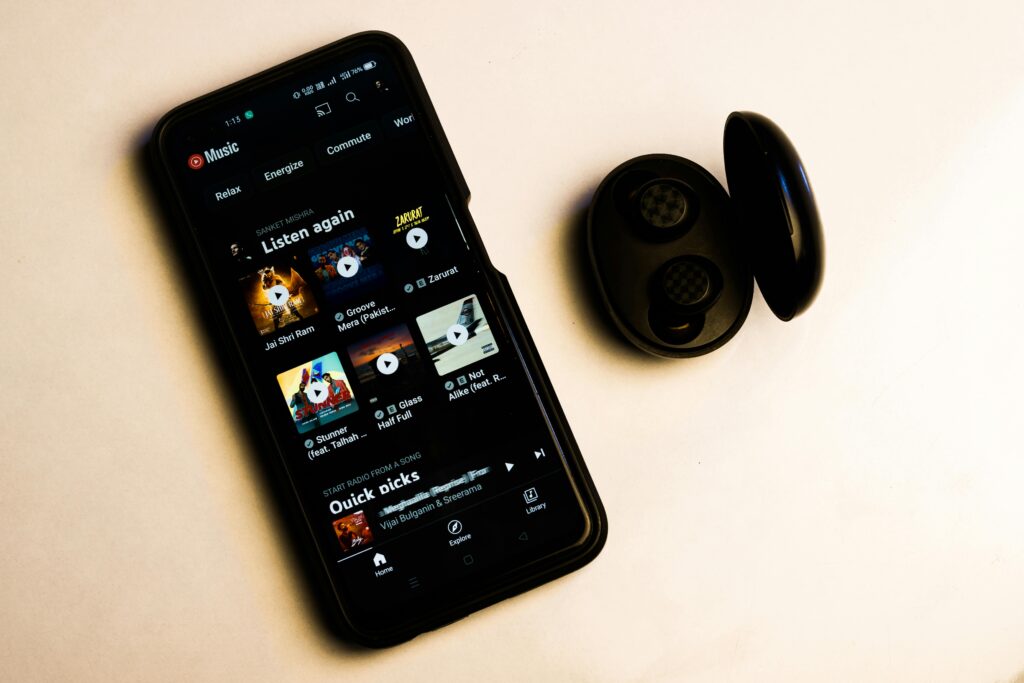
    Photo by Sanket Mishra

    The Challenge of Distribution and Pricing

    Changing your music provider is not a simple task because the infrastructure of the market is controlled by Apple and Google. Since most users download their applications through the App Store or Google Play, a structural dependency exists regardless of which platform you choose. These gatekeepers influence how apps are distributed and how payments are processed.

    Cost is not a deciding factor either. In Europe, standard individual subscriptions across the industry are typically 11.99 euros per month. European platforms do not offer a significant discount compared to their American competitors because they operate within the same economic pressures.

    The real value of choosing a European alternative is found elsewhere. It is a matter of corporate governance, the physical location of servers, the models used to pay artists, and the editorial philosophy behind the music catalogue.

    Now that we understand the market barriers and the importance of digital sovereignty, let us examine the specific alternatives available to you and how they compare in daily use.

    Please note that our recommendations never include affiliate links and we receive no economic support from these companies. This is simply a fair and honest opinion based on our research and personal experience.

    Deezer · France 🇫🇷

    Founded in Paris, Deezer is a realistic substitute for Spotify for the average listener.

    It offers a catalogue of more than 120 million tracks, comparable to that of any global competitor. In practice, I have found all the music I was looking for without difficulty. The audio quality is very good and on par with other major platforms.

    The app itself may feel slightly less intuitive than some competitors at first. Navigation is not always as smooth as on the largest global services. That said, nothing gets in the way of simply listening to music. Once you become familiar with the interface, the experience is solid and reliable. After some time using it daily, it does not feel inferior to other apps.

    On a broader level, Deezer remains a European company, with much of its infrastructure based in Europe. For those who care about where their data is handled, that is an additional factor worth considering.

    Qobuz · France 🇫🇷

    Also French, Qobuz takes a different path by focusing on sound quality rather than mass-market convenience. While mainstream platforms compete mainly through algorithms, Qobuz builds its identity around audio fidelity and strong editorial content.

    It specialises in high-resolution streaming, offering files that go well beyond standard compressed formats. Its catalogue includes more than 100 million tracks and covers most mainstream releases. The real difference lies in the technical quality of the audio and in the curated approach to presenting music.

    I am not someone who usually prioritises high-fidelity listening, but if sound quality matters most to you, Qobuz makes a clear case. Even without professional equipment, the attention to detail is noticeable.

    Qobuz also pays artists more per stream than Spotify. Various estimates indicate that musicians need fewer plays on Qobuz to generate the same level of income.

    For listeners who care about both sound quality and fairer compensation for creators, Qobuz remains one of the strongest European options.

    SoundCloud · Germany 🇩🇪

    Berlin has become an important centre for digital music in Europe, and SoundCloud is its most visible platform. It continues to play a central role in independent scenes, DJ culture and for new artists who choose to work outside traditional labels.

    SoundCloud is more than a streaming service. It is a place where music is uploaded, explored and discovered. With more than 300 million tracks, including remixes, demos and live recordings, it offers content that large algorithm-driven platforms often overlook.

    It may not replace your main music app. But if you are interested in diversity, emerging artists and the more experimental edges of European sound, SoundCloud remains well worth your attention.

    IDAGIO · Germany 🇩🇪

    Also based in Berlin, IDAGIO focuses only on classical music. It addresses a problem that general platforms never fully solved: metadata.

    In classical music, the usual song/artist/album structure is not enough. IDAGIO lets you search by composer, conductor, orchestra, specific work or even movement. For classical listeners, this is not a luxury. It is essential.

    An ethical note 🇪🇺

    The last two options are not realistic choices for the mass market today. They reflect an ethical intention rather than a mainstream product, but they deserve attention for what they are trying to build in terms of digital independence.

    Resonate was founded in Berlin as a cooperative platform designed to return control to artists and listeners. Its administrative structure now operates from Ireland, but its cooperative spirit remains central. It works with a “stream to own” model. Instead of paying an endless monthly subscription, you pay a small amount per listen until, after a certain number of plays, the track becomes yours. The aim is to create a fairer system of remuneration than the one offered by the dominant platforms.

    Funkwhale is free and open source software that began in France and is developed by a European community of volunteers. It is built on federated technology, which means no single company controls the network or the data. Parts of its development have received support from European Union funding programmes focused on strengthening open digital infrastructure. I use Funkwhale regularly, but it is still more comfortable for curious users than for casual listeners.

    These are not the best platforms for mainstream commercial music. But for those who care about ethics and digital sovereignty, they point in an important direction. The way we consume art is a choice, and that choice has social and political consequences.


    With the main part of this issue behind us, it is time to turn to culture. Here are a few films, series, albums, podcasts and books made in Europe that are well worth your time.


    🎬 Film

    Sentimental Value · Norway 🇳🇴 (2025)

    What happens when your family no longer fits the person you are trying to become? In this film, we return to Oslo to follow two sisters and their father, a once-famous actor who is now attempting a comeback.

    The central role is played by Renate Reinsve, known for The Worst Person in the World. She plays a daughter who is trying to move forward with her life while her father behaves as if everything around him were part of a performance. Old tensions resurface, and everyday conversations reveal how difficult it can be to step out of family roles that were defined years ago.

    The film is observant and at times unexpectedly funny. It feels close to real life because it deals with something many people understand: the effort to build your own identity while carrying the weight of where you come from.

    A good choice if you want something thoughtful that still feels familiar.


    If you want something else

    Vermiglio · Italy 🇮🇹 (2024): A calm and visually striking story set in a remote Alpine village at the end of the Second World War, where the arrival of a deserter unsettles a large family and reveals a disappearing way of life.

    Band Together (Rondallas) · Spain 🇪🇸 (2026): A warm and intelligent comedy about adults in a small town who revive a traditional musical group, rediscovering community spirit and old rivalries along the way.

    Veni Vidi Vici · Austria 🇦🇹 (2024): A dark and entertaining satire about a billionaire family who act as if the law does not apply to them, offering a sharp look at power and privilege today.


    📺 Series

    The Playlist · Sweden 🇸🇪 (2022)

    After our focus on music streaming this week, The Playlist is the natural choice. The series tells the story of how a small Swedish start-up called Spotify challenged the major music labels and reshaped the way the world listens to music.

    What makes it stand out is its structure. Each episode follows a different perspective: the ambitious founder, the industry executive, the lawyer, the programmer and the artist. There is no single version of events. Instead, we see a clash between technology, money and creativity.

    It moves quickly and feels very current. At a time when Europe often seemed to lag behind Silicon Valley, a group of entrepreneurs in Sweden managed to build one of the few global tech companies born on our continent.

    If you want something else

    The Collapse (L’Effondrement) · France 🇫🇷 (2019) An intense series that imagines what happens when society suddenly try to survive without electricity, food or basic services.

    Heaven. A Year in Hell (Niebo. Rok w piekle) · Poland 🇵🇱 (2025) A psychological thriller based on a true story from the 1990s about a young man who joins a religious sect.

    Norsemen · Norway 🇳🇴 (2016) A very funny comedy that follows a group of Vikings in the year 790.


    📖 Book

    Moral Ambition · Rutger Bregman · Netherlands 🇳🇱 (2024)

    What if ambition were measured not by salary or status but by usefulness? Rutger Bregman argues that many careers feel empty not because we fail but because we aim too low. In his view a generation full of talent is often absorbed by comfortable roles while the most urgent problems of the world remain understaffed.

    The argument is simple and concrete. Our professional choices matter. If intelligence and energy flow mainly into sectors driven by profit or prestige society loses the capacity to act where it is most needed. Bregman invites readers to rethink what success means and to see work as a tool for real impact.

    The tone is clear and accessible. It is less a moral lecture than a practical call to raise our standards.

    Original language: Dutch (Morele ambitie). Translations: Moralische Ambition (DE), Ambition morale (FR), Ambición moral (ES), Ambição Moral (PT).

    If you want something else

    Everyone Loves Clara (Tout le monde aime Clara) · David Foenkinos · France 🇫🇷 (2025) David Foenkinos explores the life of a woman who appears perfect to others. The novel captures the social atmosphere of modern European ci­ties and the pressure of appearances in today’s society. Original language: French. Translations: Todos aman a Clara (ES).

    The Granddaughter (Die Enkelin) · Bernhard Schlink · Germany 🇩🇪 (2021) The author explores the deep cultural and political divide between East and West Germany through a personal family story. This book analyzes how historical trauma and different ideologies still influence the identity of modern Europe. Original language: German. Translations: La nieta (ES), The Granddaughter (EN), La petite-fille (FR), La nipote (IT).

    Flesh · David Szalay · United Kingdom 🇬🇧 (2026) In this interview with The Guardian, David Szalay describes himself as an insider-outsider, a perspective that defines his latest work. Born in Canada and raised in the UK but living in Budapest, he explores the physical and emotional realities of modern life across different European landscapes. The book analyzes the way contemporary society experiences intimacy and isolation in an increasingly connected yet fragmented world. Original language: English. Translations: Chair (FR), Nella carne (IT).


    🎵 Music

    4 (The Pink Album) · Lukas Graham · Denmark 🇩🇰 (2023)

    Lukas Graham goes for a simpler approach here. The songs are built around piano and a voice that stays front and centre. The themes are everyday ones: family, routine, responsibility, and the strange feeling of getting older while life keeps moving.

    It is not an album designed to impress with constant surprises. It works because it stays consistent and easy to follow. If you like pop that feels personal and song-led, this one makes sense as a full listen, not just a few singles.

    If you want something else

    Heartbreak Culture · Lenny · Czech Republic 🇨🇿 (2022) Lenny proves that pop music can still have a rock edge without losing its melody. Her voice is strong and the production is clean, making this a record that fits perfectly on international radio while keeping a distinct personality.

    Bis einer weint · Bibiza · Austria 🇦🇹 (2024) This is the sound of Vienna right now. Bibiza mixes indie guitars with a rap attitude to capture the city’s nightlife. It is loose, direct, and full of local character, feeling more like a night out with friends than a studio project. (Sung in German).

    El Madrileño · C. Tangana · Spain 🇪🇸 (2021) This album changed the conversation about Spanish pop. It mixes traditional styles like flamenco and rumba with modern beats, but it never feels like a history lesson. It is a smart, collaborative record that proves tradition can be the most modern thing of all. (Sung in Spanish).


    🎙️ Podcast

    L’Heure du Monde · France 🇫🇷

    A daily news podcast from Le Monde that takes one topic and explains it with context, reporting, and real voices from the week. It is a good choice when you want more than headlines, but you still want something you can finish in one commute. (Language: French)

    Recommended episodes for this week:

    Procès en appel de Marine Le Pen : que faut-il retenir · L’Heure du Monde 🇫🇷 A clear explainer on what is at stake in the appeal and what to watch next in French politics. (Language: French)

    11. Februar 2026, Die Wirtschaftspresseschau · Presseschau, Dlf Politik & Analyse 🇩🇪 A short roundup of what major newspapers are saying, with a strong focus on the EU economy this week. (Language: German)

    POLAND: Fighter Jets-Drone Exchange & more, 12th Feb 2026 · Rorshok Poland Update 🇵🇱 A fast weekly briefing of Polish headlines, focusing on regional security and defense. (Language: English)

    Welcome to the fediverse: Exploring Mastodon, ActivityPub and beyond · Thoughtworks Technology Podcast 🌍 A friendly explanation of the fediverse and how decentralized services connect through the ActivityPub protocol. (Language: English)

    Ristretto Italiano, 3 febbraio 2026 · Ristretto Italiano 🇮🇹 A quick mix of Italian politics and public life, packing several current topics into one short episode. (Language: Italian)

    Crise du logement en France : toujours plus de sans-abri · L’Heure du Monde 🇫🇷 A focused look at the housing crisis in major cities and why homelessness continues to rise. (Language: French)

    Music Streaming in 2025: what is the value of music today? · Music Ally Focus 🇬🇧 A discussion on the current state of streaming, pricing pressure, and what platforms are betting on this year. (Language: English)

    POLAND: New National E-Invoicing System & more, 5th Feb 2026 · Rorshok Poland Update 🇵🇱 A practical episode on a concrete policy change and what the new digital systems mean for daily life. (Language: English)


    ✨ A note for our readers

    We have decided that Choosing Europe will be completely free and open to everyone. If you enjoy this newsletter, the best way to support it is by sharing it with friends or colleagues who might find it useful.

    You can also find us on Mastodon 🐘or join our Telegram channel.

    Thank you for reading Choosing Europe. Welcome.

  • 2. Made for walking

    The industrial logic of the European walking shoe

    There is a particular kind of satisfaction in finding the right tool for the job, one that fits not just the task, but also the values behind it. Lately, I’ve been thinking about how the digital spaces we inhabit shape the way we communicate. It is one thing to talk about the quality of European craft, and quite another to host those conversations on a foundation built closer to home.

    Following some excellent conversations with many of you last week, it became clear that our digital “post office” should reflect the same European spirit we celebrate in every issue.


    Moving to a New Home

    When Choosing Europe first launched, the goal was simple: start sharing ideas immediately. We chose Substack because it was a functional, ready-to-use vehicle. It served us well for the first steps of this journey, but as we grow, it feels only natural to move into a space that aligns more closely with our mission.

    We are currently building a custom home for this newsletter. This new platform will be fully European, self-hosted, and powered by open-source tools. Rather than a rejection of others, this is a positive step toward consistency. We want the infrastructure of Choosing Europe to be as thoughtfully selected as the products and places we recommend.

    What to expect

    The Transition For the next few days, we will continue publishing here on Substack, while our new home at Choosing Europe is already up and running.

    The Update I will send a short note very soon with the details of our migration plan.

    The Experience Our new home will be cleaner more independent and entirely ours.

    Thank you for being part of this evolution and for the thoughtful feedback that helped spark this change. It is a pleasure to build this with you.


    In this issue

    💡 Focus Beyond the sneaker hype.

    Selecting European footwear built for longevity, correct anatomy, and the reality of daily walking.

    📖 BookTime Shelter (Vremeubezhishche) · Georgi Gospodinov · Bulgaria 🇧🇬 (2020)

    A Booker Prize-winning novel about memory, nostalgia, and the future of the continent.

    🎬 FilmThe Teachers’ Lounge (Das Lehrerzimmer) · Germany 🇩🇪 (2023)

    A tense drama about truth, prejudice, and the collapse of order in a school.

    📺 Series Adolescence · United Kingdom 🇬🇧 (2024)

    A raw, continuous-shot drama following a family’s journey through the British justice system.

    🎵 Music Sand · Balthazar · Belgium 🇧🇪 (2021)

    A refined, groovy album that masterfully blends indie pop with soulful, late-night rhythms.

    🎙️ Podcast The Europeans · Europe 🇪🇺

    A witty, weekly guide to what is actually happening across the continent.


    A small side note

    If you are looking for a great backpack, you might want to consider ORTLIEB. It is designed and produced in Germany, and the manufacturing still happens in Bavaria. 🇩🇪


    Choosing European footwear 👞

    Do you really need marathon technology to walk to the corner supermarket? Probably not. Yet we often end up wearing performance sneakers designed for elite athletes even when our daily routine is made of pavements stairs and short errands. The result is footwear built for bursts of speed not for the slow repetitive act most of us actually do which is walking.

    European footwear at its best comes from a different mindset. It is not just made in Europe as a label. It is an industrial ecosystem shaped by geography materials and generations of accumulated knowledge.

    In places like the Palatinate region in Germany shoe making grew into a local economic engine. In Scandinavia industrial pragmatism pushed brands towards tighter control of materials and cleaner processes. In Benelux long standing construction traditions kept repairability alive.

    Across the continent the common thread is simple. Shoes should be designed around the anatomy of the foot not around marketing narratives.

    The industrial home

    Producing footwear in Europe today is neither simple nor cheap. Environmental rules are stricter, labour is more expensive and many brands have had to spread production across borders to survive.

    That reality is not a scandal. It is the cost of staying in business in a global market. Still it does not erase the difference between brands that kept their know how, their material standards and their core workshops within the European sphere and those that fully outsourced everything except the logo.

    For everyday life we do not need technical mesh or exaggerated cushioning. We need breathable materials soles that support posture and constructions that can be repaired instead of discarded.

    A good shoe is not a performance product. It is a practical tool and in the European industrial tradition it is a small piece of applied ergonomics.

    Europe remains a reference point for comfort not because it rejects globalisation but because it still hosts clusters of expertise. These include tanning, leatherwork, vulcanisation, Goodyear construction, orthopedic fit systems, and durable sole-bonding techniques.

    Even when production is shared across Portugal, Slovakia, Bosnia, or elsewhere within the European orbit, what matters is whether the brand still thinks in European terms, meaning anatomy first, materials second, and trends last.

    Choosing these brands is, in the end, a practical choice that puts restraint, durability, and repairability first. It also means backing a European industrial base that can disappear quickly and is painfully slow to rebuild.


    Selected Brands

    Birkenstock· Germany 🇩🇪

    The anatomical benchmark. Birkenstock cork and latex footbed is built to support the natural shape of the foot not to soften it into weakness. The brand remains deeply anchored in German production with major sites in the country and relies heavily on European inputs including Portuguese cork. It is not about fashion. It is about structure.

    Mephisto· France 🇫🇷

    The walk all day specialist. Based in Sarrebourg Mephisto Soft Air system is a real construction logic. It is a flexible mid layer designed to reduce impact and protect joints and back during long urban days. Crucially the brand keeps its original French workshop and complements it with long standing production in Portugal keeping technical knowledge inside Europe.

    ECCO· Denmark 🇩🇰

    A rare case of full vertical integration. Headquartered in Bredebro ECCO controls the chain from tanning to assembly. Its Fluidform direct injection sole process avoids heavy reliance on glues and creates a flexible durable bond. Even with global operations the point is control. They offer fewer black boxes stricter material standards and a manufacturing culture that treats how it is made as part of the product.

    Gabor· Germany 🇩🇪

    Accessible comfort engineering. Gabor Best Fitting technology provides extra support area at the ball of the foot for stability and long walking days. Design and development remain German while production is strongly rooted in European plants in Portugal and Slovakia allowing closer oversight of leather quality and assembly standards.

    Waldläufer· Germany 🇩🇪 F

    ounded in 1960 in the Palatinate tradition Waldläufer focuses on fit realities including removable footbeds multiple widths and hand finished details. Leather sourcing stays European from Germany, Italy, Spain and Portugal and production remains European as well.

    Hartjes· Austria 🇦🇹

    A regional industrial model that still exists. Based in Pramet Hartjes keeps production in Austria and builds its identity around foot health. They use cork based comfort thoughtful lasts and chrome free linings designed for a better internal climate. This is European manufacturing as local continuity not branding.

    Novesta· Slovakia 🇸🇰

    Industrial heritage made practical. Operating from the historic Baťa era factory in Partizánske Novesta still uses traditional vulcanisation methods that bond natural rubber under heat and pressure reducing dependence on chemical glues. Durable simple and repair friendly by nature it is a rare survivor of Central Europe industrial footwear story.

    Ambiorix· Belgium 🇧🇪

    Classic construction with comfort built in. Based in Tongeren Ambiorix is known for multi width options and a cork layer under the insole that gradually moulds to the wearer. The brand also carries the status of supplier to the Belgian Royal Court. It sits closer to craft than mass market but its comfort logic is deeply relevant.

    Van Bommel· Netherlands 🇳🇱

    A guardian of repairable construction. With family shoemaking roots going back centuries Van Bommel is closely associated with Goodyear welted methods in Moergestel. This is the kind of construction that can be resoled again and again. It is a reminder that longevity is often a design decision not a price tag.

    Kavat· Sweden 🇸🇪

    Circular thinking industrially applied. Founded in 1945 Kavat was the first footwear brand to receive the EU Ecolabel in 2008 and has continued to push chrome free leather called Eco Performance and a repair and rebuy logic that extends product life. Production is centred in its own factory in Bosnia keeping control and standards within a European framework.

    A note on iconic brands

    It is worth separating a brand cultural identity from its industrial reality. Some iconic European names are still European in design language but now manufacture most of their volume in Asia.

    That does not make them automatically bad but it does change what you are supporting when you buy them.

    In this issue, we highlight brands that maintain essential parts of their operations within the European industrial area. This includes their technical workshops, production expertise, and material sources, as well as factories under their direct control.

    A good shoe could be an investment in both your health and European industrial continuity.

    You should look for materials that age well, constructions that can be repaired, and brands that still operate inside a continental ecosystem of leather, craft, and ergonomic know how. Your feet will benefit first, but your local economy will also benefit quietly in the background. This is exactly how good footwear should work.


    Now that we’ve covered the serious part of this issue, we can finally get to the cultural picks. Let’s dive into some films, series, music, podcasts, and books from across Europe that are genuinely worth your time.


    🎬 Film

    The Teachers Lounge (Das Lehrerzimmer)· Germany 🇩🇪 (2023)

    A young teacher tries to deal with a series of small thefts at her school. Her intentions are reasonable even admirable. What follows is anything but.

    Set almost entirely within a single building the film unfolds like a thriller without ever leaving the classroom corridors. Rumours spread faster than facts procedures replace judgement and trust collapses under the weight of suspicion. No one behaves outrageously which is precisely the problem.

    The Teachers Lounge works as a sharp microcosm of contemporary Europe. It is diverse well organised guided by good intentions and alarmingly fragile once confidence breaks down.

    Other European films worth your time

    Anatomy of a Fall (Anatomie d une chute) · France 🇫🇷 (2023)

    A courtroom drama that slowly dismantles a marriage. Precise controlled and unsettling it shows how truth becomes slippery when private life is exposed to public judgement.

    Fallen Leaves (Kuolleet lehdet) · Finland 🇫🇮 (2023)

    Aki Kaurismäki quiet deadpan portrait of loneliness and chance encounters in Helsinki. Minimalist humane and unexpectedly tender it offers a necessary pause in the middle of heavier themes.

    Io Capitano · Italy 🇮🇹 (2023)

    A raw and visually striking journey following two teenagers from Senegal towards Europe. The film avoids abstraction and forces the viewer to confront migration as lived experience not policy debate.


    📺 Series

    Adolescence· United Kingdom 🇬🇧 (2024)

    Many series about young people rely on shock or sentimentality. Adolescence does neither. It looks calmly and uncomfortably at how violence masculinity and responsibility take shape long before adulthood.

    The story follows a teenage boy accused of killing a classmate, but the real focus is wider, encompassing family, school, social pressure, and the silences that allow things to escalate. It is not an easy watch, and it is not meant to be. Its strength lies precisely in its restraint.

    Rather than offering answers, the series forces the viewer to sit with the consequences. It feels distinctly European in its refusal to simplify a complex social failure into a single villain.

    Other European series worth your time

    Merteuil: Jeux de séduction · France 🇫🇷

    A contemporary reinterpretation of Les Liaisons dangereuses. Power desire and manipulation unfold among privileged teenagers in Paris. Elegant and unsettling it shows how control and cruelty can thrive behind polished surfaces.

    Spy/Master · Romania 🇷🇴

    A tense Cold War spy thriller told from Eastern Europe. Based on real events it follows a Romanian intelligence officer trying to defect while remaining trapped inside the system he serves. Sharp controlled and refreshingly free of clichés.

    The Lying Life of Adults (La vita bugiarda degli adulti) · Italy 🇮🇹

    Set in 1990s Naples this adaptation of Elena Ferrante novel explores adolescence as a moral and emotional rupture. Family lies class divisions and self discovery are treated with patience and depth offering a quieter but equally powerful counterpart to Adolescence.


    📖 Books

    Time Shelter (Vremeubezhishche)· Georgi Gospodinov · Bulgaria 🇧🇬 (2020)

    A clinic for the past opens in Zurich offering Alzheimer patients a chance to relive their safest memories by recreating perfectly detailed decades including the furniture of the 60s the smell of the 70s or the specific light of a lost afternoon.

    But soon healthy people want to escape the present too. Entire nations start holding referendums on which decade they want to live in turning nostalgia into a political tool that threatens to replace the future.

    Written by Georgi Gospodinov this International Booker Prize winner is a beautiful and melancholic exploration of why we are so obsessed with the past and why it can be a dangerous place to live. It is a brilliant warning for a continent currently trying to find its way between memory and reality.

    If you want something else

    Free (Të lirë) · Lea Ypi · Albania 🇦🇱 (2021)

    A sharp and moving memoir about growing up in the final days of communist Albania and the messy reality of the freedom that followed. Lea Ypi provides a fascinating look at the collapse of one world and the birth of another.

    Homo Faber (Homo faber. Il ritorno del sapere del fare) · Paolo Benanti · Italy 🇮🇹 (2023)

    An insightful exploration of the relationship between technology and human identity. Paolo Benanti analyzes how digital tools are changing our capacity for creation and the way we understand our place in the world.

    Technofeudalism (Technofeudalismos) · Yanis Varoufakis · Greece 🇬🇷 (2023)

    A provocative analysis of how the modern digital economy is moving beyond capitalism. Yanis Varoufakis explains how a new system based on digital rent and cloud lords is reshaping our society and our politics.


    🎵 Music

    Sand· Balthazar · Belgium 🇧🇪 (2021)

    Balthazar is a band that understands the balance between groove and restraint. Based in Ghent they have developed a sound that feels deeply European as it is sophisticated slightly melancholic and incredibly well produced. Sand is an album about waiting restlessness and the passing of time.

    It is pop music for adults built on soulful bass lines and dual vocals that never feel rushed. The record moves with a quiet confidence making it the perfect soundtrack for city life. It is a reminder that some of the best contemporary indie pop is currently being crafted in Belgium.

    If you want something else

    Unreal Unearth · Hozier · Ireland 🇮🇪 (2023)

    A rich ambitious record inspired by Dante Inferno blending folk roots with a deep cinematic soul.

    Gigante · Leiva · Spain 🇪🇸 (2024)

    A masterclass in Spanish rock craftsmanship focusing on raw emotions and refined songwriting.

    Seoul Mixtape · Lewis Ofman · France 🇫🇷 (2022)

    Playful sunny and unmistakably French electronic music that feels like a summer drive.

    Time Machine · Alma · Finland 🇫🇮 (2023)

    High quality Nordic pop that explores personal growth with a distinctive powerful voice.


    🎙️ Podcast

    The Europeans· Europe 🇪🇺

    A weekly show that covers European politics and culture in a way that is actually entertaining. Hosted by Katy Lee in Paris and Dominic Kraemer in Amsterdam it highlights the stories that often stay hidden behind national borders.

    The Europeans is a necessary project for anyone who wants to feel part of a shared public space. It avoids the dry language of Brussels and focuses on the people the movements and the cultural shifts that are defining the continent today. It is a brilliant example of how a pan European conversation can be both smart and fun.

    By moving beyond national headlines the show builds a bridge between different European realities. It is essential listening for those who want to understand the complexities of our neighborhood with a touch of wit and a high level of journalistic integrity.

    Recommended episodes for this week

    Bananas, paltas y cocaína: la ruta del tráfico marítimo desde Sudamérica · El Hilo 🇪🇸 Spanish

    Groenland: trois semaines de folie · Le Collimateur 🇫🇷 French

    Digital Leben· ORF 🇦🇹 German

    Swipe Left on Society: Singledom, Sexless Men, and the New Politics of Loneliness · The David McWilliams Podcast · 🇮🇪 English

    Le monde devant soi · Slate 🇫🇷 French


    ✨ A shared path

    We want to thank you for the pertinent reclaim regarding our platform. It reminds us that Choosing Europe is not a destination we have already reached but a process we are navigating together.

    We are listening, we are thinking and we are choosing one step at a time.

    We have decided that Choosing Europe will be completely free and open to everyone. We want these stories and ideas to reach as many people as possible without any barriers. If you enjoy this newsletter the best way to support it is by sharing it with friends or colleagues who might find it useful.

    You can also find us on Mastodon 🐘 or simply reply to this email. We read every message and appreciate your feedback as we build this project together.

    Thank you for reading Choosing Europe.