Should we choose a European email provider?
I don’t always read what I would normally choose to read. Sometimes, books simply show up.
A few weeks ago, I had some free time and only one book at hand: The Everyday Hero Manifesto, by Robin Sharma. He is not an author I particularly enjoy. His tone and the way he presents ideas are not really mine. Still, I read it.
Circumstances follow their own logic, and even books we would not actively choose can offer something worth paying attention to. The book is uneven, but not empty. Some ideas are reasonable, others less convincing. What stayed with me, however, had little to do with the book itself.
At one point, Sharma shares a list of his twenty-five favourite films. The list is entirely American. It feels as if cinema naturally stopped at one border.
That was the moment it clicked. The quiet decision to give the green light to Choosing Europe.
From there, the idea is simple: We are going to look again, more carefully, at what Europe produces, and treat it seriously as part of our everyday cultural and practical choices.
This first issue starts from a simple, everyday tool — email — to open a wider question: how European approaches to privacy, culture and technology quietly differ from what we usually take for granted.
In this issue
💡 Focus 🇪🇺 Moving away from email services that monetise our data and quietly turn everyday communication into a trap — and looking at European alternatives built on different assumptions.
📖 Book Privacy Is Power · Carissa Véliz · UK 🇬🇧 (2020) A clear and thoughtful case for privacy as a political and social condition, not a personal preference.
🎬 Film Another Round (Druk) · Denmark 🇩🇰 (2020) A quiet look at friendship, routine and adult disillusion.
📺 Series Inhuman Resources (Dérapages) · France 🇫🇷 (2020) A workplace drama about power, loyalty and class.
🎵 Music One More Trip Around the Sun · Cari Cari · Austria 🇦🇹 (2024) A confident, cinematic album that blends indie rock with desert blues atmospheres.
🎙️ Podcast European Skeptics Podcast · Europe 🇪🇺 (2015-Present) Science and critical thinking from a European perspective.
A small side note
If you are looking for a notebook, you might want to consider Clairefontaine. It is designed and produced in France—and even the paper is made there. 🇫🇷
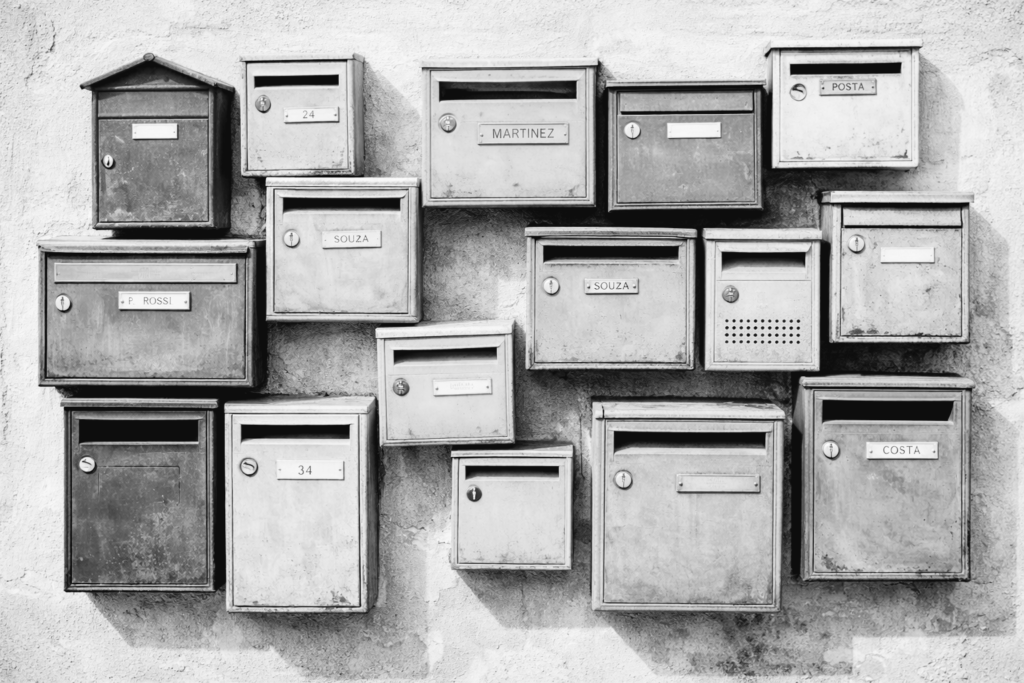
Moving away from data-driven email
The gateway trap
For most people, email comes in three familiar forms: Gmail, Outlook, or Apple Mail. They are reliable, easy to use, and deeply integrated into our lives.
However, they play a hidden role. These free accounts are designed to keep you inside a massive ecosystem run by Google, Microsoft, or Apple. Email is not the final goal; it is the starting point.
A free inbox places you at the center of their search tools, cloud storage, and online identity. From there, companies can observe your habits. For big tech, the real value is not the email service itself, but the influence and data they gain from it.
This does not mean abandoning every large platform. Many of these services remain useful for maps, calendars, or app access. The point is simply to avoid using them as the place where our main personal and professional communication lives.
The European alternative 🇪🇺
The American model is often presented as the default, yet Europe has been running email services for decades based on different assumptions.
Many European providers are privacy-focused and designed to do one thing well. They offer email as a service, not as a gateway to track user behaviour.
Key Advantage: These providers operate under European data protection rules (GDPR) and Swiss privacy laws, which remain among the strongest in the world.
The aim here is to make one simple point visible: email does not only come in American flavours.
Two notable European email services
Proton Mail · Switzerland 🇨🇭
This is the service I use personally for one main reason: practical privacy. Because Proton is based in Switzerland, it operates under very strict privacy laws. The company cannot read your emails even if they wanted to, and they do not scan your data to create advertising profiles.
You can start with a free account, which has some limits but is very secure. For daily use, the Mail Plus plan (approx. 3.99 €/month, billed annually) removes these restrictions. If you need more, their “Unlimited” plan includes a VPN, cloud storage, and password manager.
Usage is simple. The mobile apps are excellent, and on a computer, you can use their web interface or connect your usual email client using Proton Bridge. I recommend Proton if you want a complete, secure replacement for Gmail that just works.
Posteo · Germany 🇩🇪
Posteo is built entirely around sustainability and simplicity. It is an independent Berlin-based provider that runs on 100% green energy. Unlike many others, they have no investors and operate only on user fees to remain independent.
The cost is very affordable: just 1€ per month. This includes email, calendar, contacts, and notes. Their model is transparent; you pay for what you need. If you want more storage or extra aliases, you pay a small extra fee, but there are no expensive tiered plans.
Posteo is excellent if you care about the environment and want a service without unnecessary distractions. However, it does not have its own mobile app (you use standard email apps like Outlook or Apple Mail) and it is strictly for personal communication, not heavy teamwork.
Other European email providers worth knowing 📬
- Tuta · Germany 🇩🇪: Focuses heavily on security by encrypting absolutely everything (even subject lines) by default and offers its own open-source apps.
- Mailfence · Belgium 🇧🇪: A great choice if you want a complete digital suite (documents, calendar, contacts) based on open standards.
- StartMail · Netherlands 🇳🇱: Created by the founders of the search engine Startpage. Its standout feature is unlimited disposable email aliases.
- Runbox · Norway 🇳🇴: A veteran provider running on renewable hydroelectric power with strong Norwegian privacy rights.
- Infomaniak · Switzerland 🇨🇭: A full cloud ecosystem designed for those who want their data hosted strictly in Switzerland.
- Mailo · France 🇫🇷: Offers a unique focus on families and education, providing safe interfaces for children and ethical plans for schools.
The main idea: Email does not need to live inside a data-mining ecosystem. Large tech platforms are convenient, but your personal messages deserve a private home. Choosing a European provider is a practical step to separate your communication from surveillance.
Now that the serious part of this issue is over, we can move on to the cultural recommendations. Let’s look at some films, series, music, podcasts and books produced in Europe that are worth your time.

🎬 Film
Another Round (Druk) · Denmark 🇩🇰 (2020)
If so many people drink a glass of wine to feel more relaxed on a first date or in a club, would it work the same way before a difficult exam or a work meeting?
In Another Round, four teachers decide to stop wondering and start testing. They attempt to maintain a constant, low level of alcohol in their blood to see if it makes them sharper, more creative, or simply more alive.
It sounds like a reckless experiment, but the film is actually a brilliant, bittersweet look at the mid-life crisis. Mads Mikkelsen is magnetic, showing the gap between who we are and who we once expected to be.
It is delivered with a very Danish kind of honesty, and a final scene you won’t easily forget.

If you want something else:
- On Falling · Portugal 🇵🇹 · United Kingdom 🇬🇧 (2024): A quiet and powerful portrait of a Portuguese migrant facing the isolation of the modern gig economy in Scotland.
- The Worst Person in the World (Verdens verste menneske) · Norway 🇳🇴 (2021): A funny and painfully modern look at adulthood.
- Windless (Bezvetrie) · Bulgaria 🇧🇬 (2024): A young man returns to Bulgaria to sell his late father’s apartment, finding himself caught between the memories of the past and the reality of a changing country.
📺 Series
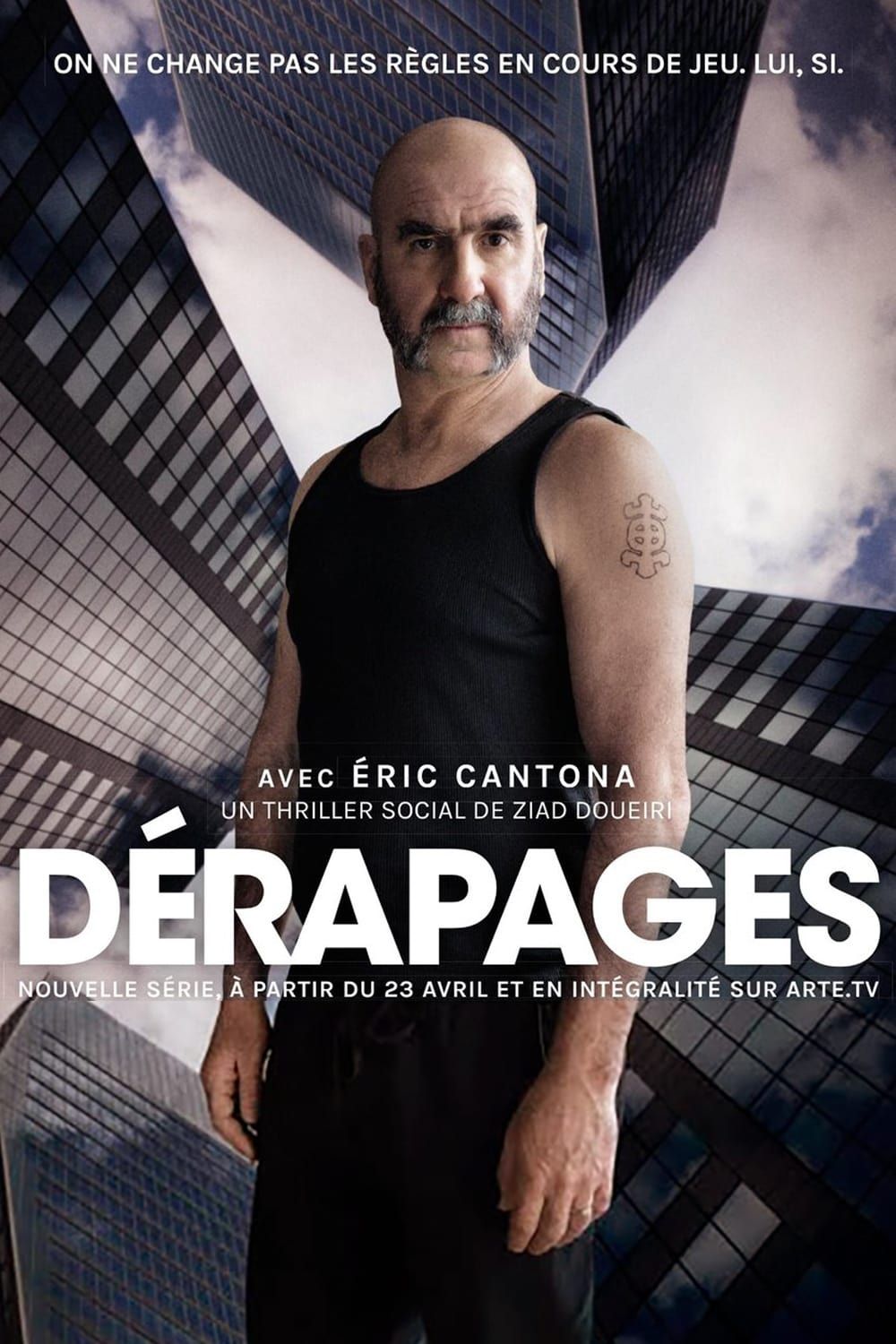
Inhuman Resources (Dérapages) · France 🇫🇷 (2020)
Most people remember Eric Cantona for his genius on the football field, but in this series, he proves he is far more than just a famous athlete. He carries the weight of a man who has been broken by the economic system.
Cantona plays Alain Delambre, a 57-year-old who has been unemployed for six years and is trapped in a cycle of professional humiliation. When a major company finally calls him for a mysterious and high-stakes recruitment process, he sees it as his last chance to reclaim his life.
The story quickly turns into a dark thriller that explores a difficult moral debate: how far can a person be pushed before they decide to fight back against a system that treats them as disposable?
It is a sharp, French critique of modern work, led by a Cantona who is genuinely intimidating and deeply human at the same time.
If you want something else:
- 1992 · Italy 🇮🇹 (2015): A fast-paced drama about the scandals that destroyed Italy’s political establishment.
- Exit · Norway 🇳🇴 (2019): A shocking and dark look at the real lives of Norway’s financial elite, where money buys everything except peace.
- Riot Police (Antidisturbios) · Spain 🇪🇸 (2020): A tense and realistic series about six officers caught in a spiral of institutional pressure and personal choices.
📖 Book
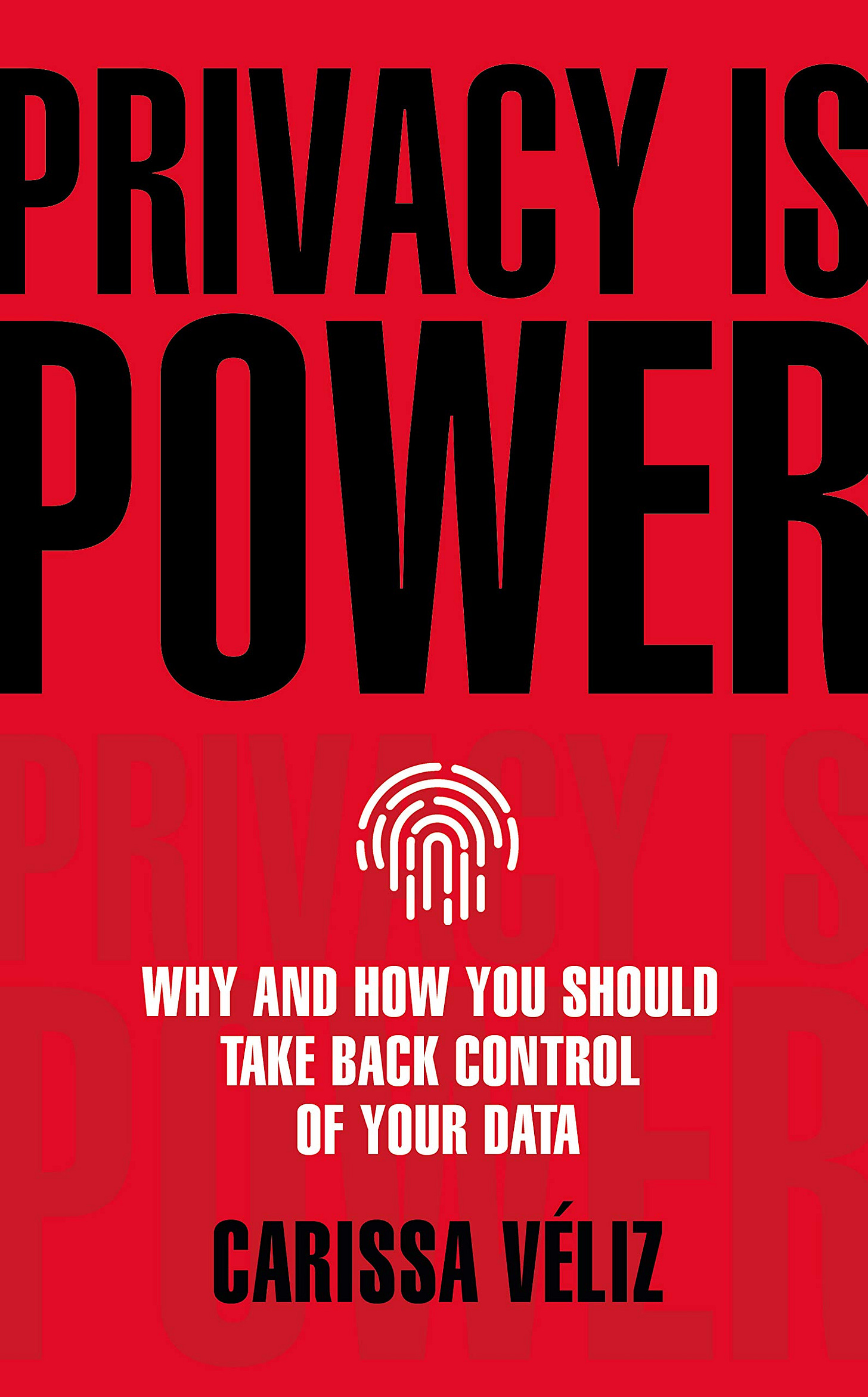
Privacy Is Power · United Kingdom 🇬🇧 (2020)
We have chosen this book because it perfectly explains the core theme of this issue: why your personal data is not just yours, but a political tool.
Most of us treat privacy as a boring setting on our phones, but Carissa Véliz argues it is actually our most important collective asset. She explains how our daily digital habits are connected to how power and democracy work. If companies and governments know everything about us, they can predict and control our behavior.
The tone is direct and practical. Véliz shows why we need to protect our data to keep our freedom. It is an essential guide for anyone who wants to understand the hidden costs of the “free” internet.
If you want something else:
- The Enemy Knows the System (El enemigo conoce el sistema) · Spain 🇪🇸 (2019): This investigation explores how digital platforms are designed to capture our attention and shape political behavior. Peirano provides a fascinating look at the architecture of the modern internet and how it influences our choices. (Available in Spanish).
- Big Tech Must Go! (Big Tech muss weg!) · Germany 🇩🇪 (2023): A bold proposal to break the power of digital monopolies. Martin Andree explains how these large companies dominate the market and offers practical ideas to reclaim a free and open public space for everyone. (Available in German and English).
- The Siliconisation of the World (La siliconisation du monde) · France 🇫🇷 (2016): Éric Sadin explores how the “Silicon Valley spirit” is moving beyond technology to change our society. The book analyzes the way algorithms are slowly replacing human decision-making in our daily lives. (Available in French, Spanish, and Italian).
🎵 Music
One More Trip Around the Sun · Cari Cari · Austria 🇦🇹 (2024)
Cari Cari make music that moves at a steady, unhurried pace, built on repetitive rhythms, warm bass lines, and carefully layered guitars. The album creates a sense of forward motion, as if each track were part of a continuous journey rather than a collection of separate songs. From their base in Austria, the duo delivers a sound that is restrained, precise, and deeply atmospheric.
The record unfolds like a sequence of scenes, with each track adding to a consistent mood instead of competing for attention. Nothing is rushed or exaggerated: the songs are calm, focused, and quietly confident. It works equally well while driving or listening at home, offering music that stays with you without demanding effort. This is an album that rewards patience and leaves a clear impression.
If you want something else:
- Ara i res · Mishima · Spain 🇪🇸 (2017): An elegant example of how everyday life can be turned into intelligent pop. Sung in Catalan, the album feels close and conversational, built on precise lyrics and a refined sound that is easy to enjoy without ever feeling lightweight.
- P.O.P. TOO · Marina Satti · Greece 🇬🇷 (2025): A bold, high-energy record that reshapes traditional Greek sounds into something modern and confident. Rooted in local culture but forward-looking, it shows how heritage can actively drive contemporary pop.
- Granda · Brodka · Poland 🇵🇱 (2010): A decisive break from convention in Polish pop. By blending mountain folk elements with experimental, colourful production, Brodka created a record that remains distinctive and hard to imitate.
🎙️ Podcast
The European Skeptics Podcast (The ESP) · Europe 🇪🇺
A podcast that examines misinformation across Europe using evidence and scientific reasoning. Each episode focuses on specific cases and local contexts, showing how false claims circulate between countries and how they can be addressed. (Language: English)

Recommended episodes for this week:
- 25 ans de Wikipédia : une utopie en résistance · La fabrique de l’information 🇫🇷 A deep look at how Wikipedia survives as a human-led project in a world dominated by algorithms and AI. (Language: French)
- Il rapimento di Aldo Moro – Una rete di terroristi · Alessandro Barbero 🇮🇹 The famous historian explains one of Italy’s darkest political mysteries with the energy of a thriller. (Language: Italian)
- #544 – Ein nacktes Schwarzes Loch · Der Letzte Podcast 🇩🇪 A fascinating review of the latest discoveries in space and physics, explaining black holes in a way everyone can understand. (Language: German)
- Génie des échecs à champion de Taï Chi · AI by Nikario 🇫🇷 An interesting discussion about how human intelligence and discipline compare to artificial intelligence. (Language: French)
- Mia Insomnia | Hörspiel · Daily Klappentext 🇩🇪 A recommendation of a mysterious audio drama about a podcast episode that officially “never existed”. (Language: German)
- #229 – Oben oder Unten – wohin gehört wer in der Klassengesellschaft? · Lanz & Precht 🇩🇪 A necessary look at how social class still shapes the way we think and act. In this episode, Lanz and Precht discuss the growing pressure on the middle class and what these social changes mean for the future of European society. (Language: German)
✨ A note for my readers
I have decided that Choosing Europe will be completely free and open to everyone. I want these stories and ideas to reach as many people as possible without any barriers.
If you enjoy this newsletter, the best way to support it is by sharing it. If you have friends or colleagues who might find it useful, please forward this issue to them.
You can also find us on Mastodon. 🐘
Thank you for reading Choosing Europe.
Leave a Reply
You must be logged in to post a comment.